

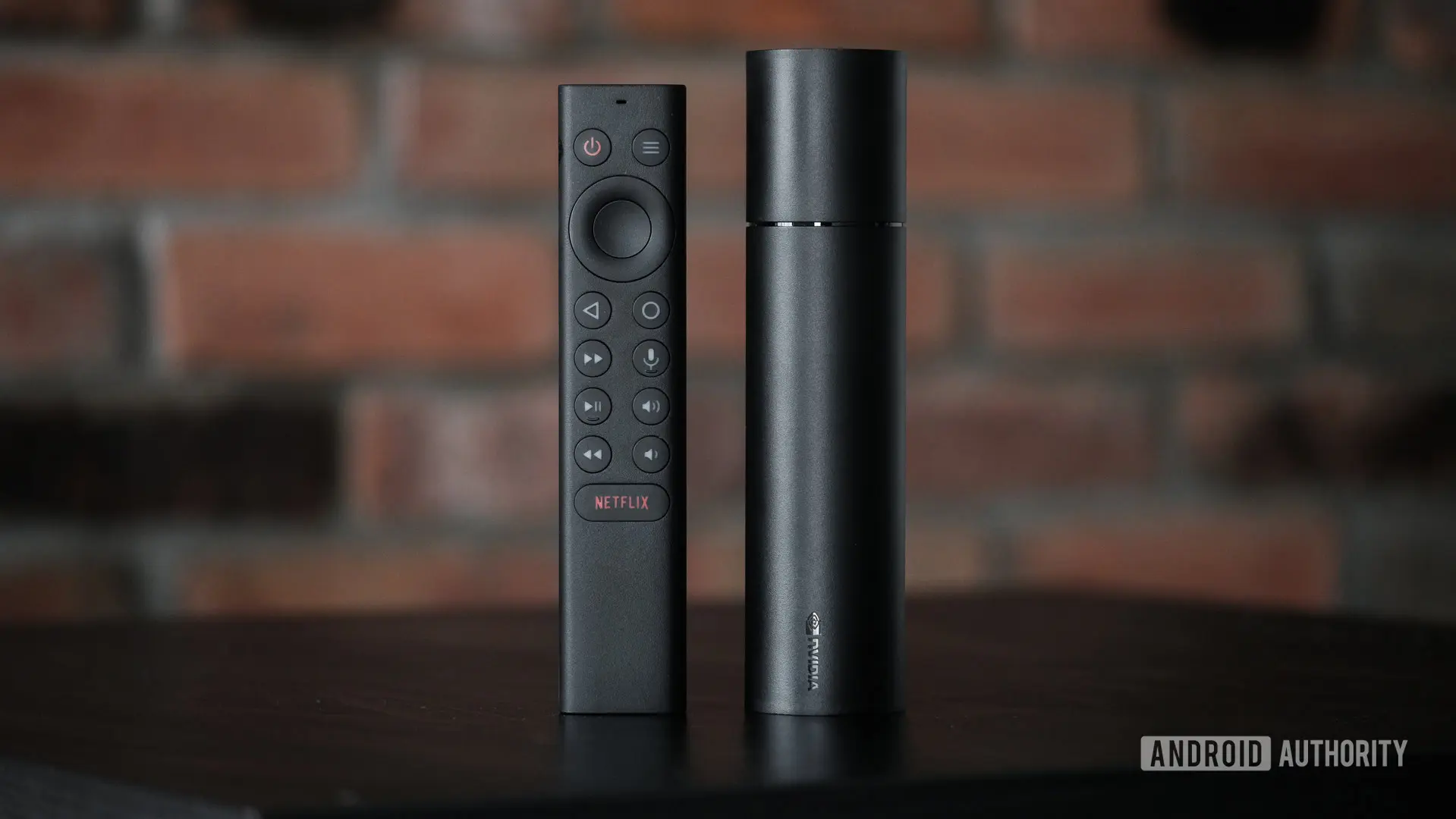
In a surprising turn of events that has left many Android TV enthusiasts scrambling, NVIDIA has finally broken its silence regarding the sudden disappearance of the base $149 Shield TV from store shelves. The company confirmed that the device is largely out of stock due to overwhelming demand, but offered no definitive timeline for replenishment. This ambiguous stance has fueled speculation that NVIDIA might be quietly phasing out its entry-level streaming device in favor of the more powerful Shield TV Pro.
The Current State of NVIDIA's Shield TV Lineup
NVIDIA's Shield TV family has long been regarded as the gold standard for Android TV devices. The lineup includes two main variants: the base Shield TV (officially named Shield TV) and the Shield TV Pro. The base model, launched in 2019 alongside the upgraded Pro version, features the same Tegra X1+ processor and 2GB of RAM as the Pro, but lacks the Pro's extra USB ports, larger storage capacity, and integrated smart home hub. Despite these differences, both devices deliver exceptional 4K HDR streaming, AI upscaling, and gaming capabilities through GeForce NOW.
Recent weeks saw the base Shield TV vanish from online retailers such as Amazon, Best Buy, and even NVIDIA's own store. Social media forums and tech communities quickly buzzed with theories ranging from supply chain disruptions to outright discontinuation. NVIDIA's statement to Android Authority confirmed the shortage but did little to clarify long-term plans: "The SHIELD TV base model is largely out of stock due to demand. We don’t have any updates to share regarding future availability at this time. SHIELD TV Pro remains available, and the SHIELD platform continues to be supported with ongoing updates for more than 10 years."
Digging Deeper: Possible Reasons for the Shortage
While NVIDIA cites demand as the primary cause, industry analysts point to more complex factors. The global semiconductor shortage, though somewhat eased, still affects the production of older chipsets like the Tegra X1+, which is manufactured on a mature 20nm process. Additionally, the cost of DRAM and NAND flash memory has risen significantly over the past year, squeezing profit margins on lower-priced devices. Selling a premium streaming box at $149 with 2GB RAM and 8GB storage becomes less attractive when memory costs eat into margins.
Another plausible explanation is product line simplification. The Shield TV Pro, priced at $199, offers a more compelling feature set for power users, including a built-in smart home hub with Thread and Zigbee radios, two USB 3.0 ports for expandable storage or peripherals, and 3GB of RAM. The base model, lacking these features, may have cannibalized sales without delivering the same ecosystem benefits that NVIDIA envisions for its smart home ambitions. By focusing resources on the Pro model, NVIDIA can streamline its Android TV offerings while maintaining a premium position.
Historical Context: The Evolution of NVIDIA's Shield TV
The Shield TV first debuted in 2015 as a groundbreaking Android TV device that doubled as a game streaming hub. Over the years, it went through several hardware revisions—adding 4K HDR, Dolby Vision, and improved AI upscaling. The 2019 refresh marked the first time NVIDIA offered two distinct models: the standard Shield TV (codenamed "mdarcy") and the Shield TV Pro ("mdarcy"), with the Pro gaining additional ports and storage. Despite the age of the hardware, both models have received continuous software updates, with NVIDIA promising at least 10 years of support—a rarity in the Android TV world.
This track record of support makes the potential discontinuation of the base model all the more surprising. However, NVIDIA's statement emphasizes that the Shield platform as a whole continues to be supported. Current owners need not worry about losing features or security patches.
Competitive Landscape and Market Impact
The Android TV streaming market has become increasingly crowded. Competitors include the Chromecast with Google TV, Amazon Fire TV Stick, and Apple TV, but the Shield TV has always held a niche as the most powerful Android TV device for enthusiasts who demand lossless audio passthrough, high-refresh-rate gaming, and customizable storage. The base Shield TV, while slightly less capable than the Pro, still outperformed most rivals in sheer processing power and codec support. Its disappearance could push budget-conscious consumers toward the Chromecast with Google TV (4K) or the Fire TV Cube, both of which offer different trade-offs.
Furthermore, the rise of Google TV as an interface layer over Android TV may reduce NVIDIA's incentive to maintain two similar hardware SKUs. The Shield TV Pro already runs Google TV seamlessly, and software differentiation can be achieved through updates rather than separate models.
What This Means for Consumers
If you've been eyeing the base Shield TV, your options are limited. Third-party sellers on platforms like eBay or StockX may still have units available, often at inflated prices. NVIDIA has not indicated any plans for a successor, nor has it hinted at price drops on the Shield TV Pro to fill the gap. For now, the Pro model remains widely available and offers even better value with its expanded connectivity and smart home integration. Gaming enthusiasts who rely on GeForce NOW or Steam Link will find the Pro's additional USB ports essential for wired controllers or external storage.
For those who strictly need a streaming device without gaming extras, the Shield TV Pro might seem overkill. Yet, its long-term software support and unmatched performance make it a future-proof investment. Alternatively, waiting for a potential restock of the base model could be a gamble—NVIDIA's silence suggests that return is unlikely.
In the bigger picture, this situation underscores the volatility of the electronics market. Components shortages, shifting consumer demand, and strategic product rationalization all play a role. NVIDIA's decision, whether temporary or permanent, reflects a broader industry trend toward simplifying product lines while focusing on higher-margin devices.
Source: Android Authority News