

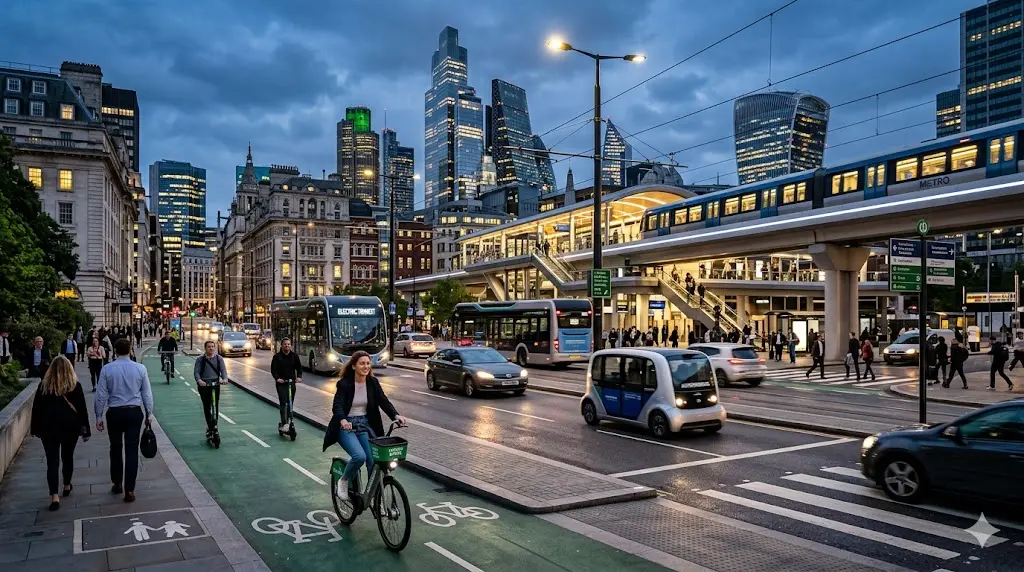
Why urbanisation is influencing future transportation trends has become one of the biggest global discussions in infrastructure, mobility, and city planning. As cities grow larger and populations become denser, transportation systems are being pushed to evolve faster than ever before. Urbanisation is changing how people commute, how governments plan roads, and how businesses think about mobility solutions.
Urbanisation is influencing future transportation trends by increasing demand for faster public transit, smarter traffic systems, sustainable mobility, and compact urban infrastructure. Growing city populations are forcing transportation systems to become more efficient, connected, and environmentally conscious.
What Is Urbanisation and How Does It Affect Transportation?
Definition Box:Urbanisation refers to the increasing movement of people from rural areas into cities, leading to population growth, infrastructure expansion, and changing transportation needs.
Cities are growing rapidly across the world.
More people moving into urban spaces means more pressure on roads, public transit systems, parking infrastructure, and commuting networks. Transportation models that worked twenty years ago often struggle badly in modern urban environments.
Here’s the thing: cities weren’t originally designed for this level of population density.
That’s why traffic congestion, overcrowded transit systems, rising pollution, and longer commuting times are becoming major global concerns.
I've personally noticed that even mid-sized cities now experience transportation problems once limited to huge metropolitan areas. Urban growth is happening faster than infrastructure upgrades in many regions.
Why Urbanisation Matters for Transportation in 2026
Urbanisation matters more in 2026 because city populations continue expanding while environmental pressure and infrastructure demands increase simultaneously.
Transportation systems can’t stay static anymore.
Governments, urban planners, and private companies are being forced to rethink mobility completely. Traditional car-centered city planning no longer works efficiently in many growing urban environments.
Rising Population Density Changes Mobility Needs
More residents living in smaller geographic areas naturally create transportation strain.
Road congestion becomes unavoidable when millions of people rely heavily on private vehicles every day. Cities must develop alternatives that move large populations more efficiently.
Public Transportation Is Becoming More Important
What most people overlook is how public transit has shifted from convenience to necessity in many urban areas.
Buses, metro systems, commuter rail, and shared transportation services are becoming central parts of economic productivity. Workers losing hours daily in traffic affects businesses directly.
Sustainability Concerns Are Reshaping Transportation
Urbanisation also increases environmental pressure.
Air pollution, fuel consumption, and carbon emissions become larger problems when dense populations rely heavily on traditional transportation systems. That’s why electric mobility, cycling infrastructure, and cleaner public transit solutions are growing rapidly.
How Urbanisation Is Changing Transportation Trends
Urbanisation influences transportation trends in several interconnected ways.
Smart Cities Are Expanding
Cities are increasingly using technology to manage transportation systems more efficiently. Traffic monitoring, digital transit payments, route optimization, and AI-powered traffic controls are becoming more common globally.
Technology is helping cities reduce congestion without constantly expanding road infrastructure.
Shared Mobility Is Growing
Ride-sharing, car-sharing, and scooter-sharing systems are becoming more popular in crowded urban areas where car ownership feels expensive or inconvenient.
Honestly, many younger urban residents no longer see personal vehicle ownership as essential the way previous generations did.
That mindset shift matters more than people realize.
Walkable Cities Are Gaining Attention
Urban planners are increasingly prioritizing pedestrian-friendly city design.
Shorter commutes, mixed-use neighborhoods, and accessible public spaces reduce transportation pressure while improving daily quality of life.
Electric Transportation Is Expanding Rapidly
Electric buses, trains, bicycles, and cars are growing because urban areas need cleaner transportation alternatives.
Cities trying to reduce emissions are investing heavily in sustainable transportation systems.
How Cities Can Adapt to Future Transportation Trends
Urban transportation challenges won’t disappear automatically.
Cities need structured planning strategies to manage future growth effectively.
How to Improve Urban Transportation Systems — Step by Step
1. Expand Reliable Public Transit
Efficient public transportation reduces congestion by moving large populations quickly and affordably.
Transit systems need consistent investment rather than temporary fixes.
2. Build Smarter Infrastructure
Road systems, traffic signals, and public transit networks should use real-time data to improve traffic flow and reduce delays.
3. Encourage Alternative Mobility Options
Cycling lanes, walking routes, shared mobility services, and electric vehicle infrastructure create transportation flexibility.
Cities relying entirely on private cars usually struggle long term.
4. Reduce Urban Sprawl
Poorly planned city expansion creates longer commutes and transportation inefficiencies.
Compact development often supports better mobility systems.
5. Integrate Technology Carefully
Technology helps transportation systems function better, but cities should avoid implementing complicated systems without practical usability.
Complicated infrastructure frustrates commuters quickly.
6. Prioritize Sustainability
Transportation planning must balance mobility needs with environmental responsibility. Cleaner systems create healthier urban environments over time.
Real-World Example: Urban Transit Transformation
A rapidly growing Asian city struggled with severe congestion as population density increased dramatically over a decade.
Initially, officials expanded roads repeatedly, expecting traffic problems to improve.
It didn’t work.
More roads simply encouraged more vehicle usage. Eventually, the city invested heavily in integrated public transportation, pedestrian zones, and digital traffic management systems.
Commuting times gradually improved while pollution levels decreased.
That example highlights something important: transportation problems often require system redesign, not just road expansion.
Expert Tip: Bigger Roads Don’t Always Solve Congestion
This surprises people sometimes.
Expanding highways sounds logical, but wider roads often attract more drivers, eventually recreating congestion problems.
Urban transportation works differently than many assume.
In my experience, cities improving public transit and reducing unnecessary car dependency often achieve better long-term traffic outcomes than cities focused only on road expansion.
That’s a hard lesson some governments are still learning.
Why Younger Generations Are Changing Transportation Trends
Younger urban populations approach transportation differently than previous generations.
Many prioritize convenience, affordability, flexibility, and environmental responsibility over vehicle ownership status.
That’s reshaping transportation industries significantly.
Some young professionals now prefer combining public transit, ride-sharing, cycling, and remote work instead of maintaining expensive personal vehicles.
Honestly, urban living costs probably accelerated that trend faster than expected.
Common Transportation Mistakes Growing Cities Make
Prioritizing Cars Over People
Cities designed mainly around cars often become congested, less walkable, and environmentally strained.
Human-centered planning usually creates healthier urban mobility systems.
Ignoring Public Transit Investment
Underfunded transit systems create overcrowding, delays, and reduced commuter trust.
Reliable public transportation requires long-term commitment.
Expanding Without Infrastructure Planning
Rapid urban development without transportation planning creates severe traffic and commuting inefficiencies later.
Overcomplicating Smart Technology
Some cities implement advanced systems that confuse commuters instead of helping them.
Simple functionality often works better than flashy innovation.
Expert Tip: Transportation Is Also About Lifestyle
Transportation planning isn’t just about roads and vehicles.
It shapes how people live daily.
Long commutes affect mental health, work productivity, family time, and economic opportunities. Cities with efficient transportation systems often become more attractive places to live and work overall.
That human impact sometimes gets overlooked in policy discussions.
How Remote Work Is Affecting Urban Transportation
Remote work unexpectedly changed transportation trends worldwide.
Some cities experienced reduced commuting pressure as hybrid work arrangements became more common. Public transit patterns shifted. Peak-hour congestion changed in certain regions.
Still, remote work hasn’t eliminated transportation demand entirely.
People continue moving within cities for shopping, entertainment, healthcare, education, and social interaction. Transportation systems still matter enormously.
What changed is commuting predictability.
The Unexpected Rise of Micro-Mobility
Micro-mobility solutions like electric scooters, bicycles, and compact urban vehicles are becoming surprisingly influential.
Years ago, many people dismissed them as temporary trends.
Now they’re serious transportation tools in crowded cities.
Short-distance urban travel often works better through lightweight mobility systems than traditional cars, especially in dense downtown areas.
That shift is changing city infrastructure priorities.
Global Trends Influencing Future Transportation
Several worldwide trends are accelerating transportation changes.
Population Growth in Major Cities
Urban populations continue rising rapidly, especially in developing economies.
Environmental Regulations
Governments increasingly support low-emission transportation systems and sustainable infrastructure investments.
Artificial Intelligence Integration
AI now helps manage traffic systems, transit scheduling, and predictive infrastructure planning.
Autonomous Vehicle Development
Self-driving technology continues evolving, though widespread adoption still faces practical and regulatory challenges.
Expert Tip: Transportation Systems Must Stay Flexible
Rigid transportation systems struggle in fast-changing urban environments.
Cities need adaptable infrastructure capable of responding to population shifts, technology changes, and economic pressures over time.
Flexibility often matters more than perfection.
That’s something many urban planners are finally starting to recognize.
People Most Asked About Why Urbanisation Is Influencing Future Transportation Trends
Why does urbanisation affect transportation systems?
Urbanisation increases population density, creating greater demand for efficient transportation, reduced congestion, and sustainable mobility solutions.
How does public transportation help growing cities?
Public transportation moves large populations efficiently, reduces traffic congestion, lowers emissions, and improves urban productivity.
Why are electric vehicles becoming more popular in cities?
Electric vehicles help reduce pollution and support sustainability goals in densely populated urban environments.
What is micro-mobility in urban transportation?
Micro-mobility refers to lightweight transportation options like electric scooters, bicycles, and compact urban vehicles designed for short-distance travel.
How does remote work affect transportation trends?
Remote work changes commuting patterns, reduces some peak-hour traffic, and influences urban transit demand differently across cities.
Are smart cities improving transportation systems?
In many cases, yes. Smart technology helps optimize traffic management, transit scheduling, and commuter experiences more efficiently.
Why are younger generations using fewer personal vehicles?
Many younger urban residents prioritize affordability, flexibility, sustainability, and shared mobility over traditional car ownership.
Final Thoughts
Why urbanisation is influencing future transportation trends comes down to one reality: growing cities require smarter, cleaner, and more adaptable mobility systems.
Transportation is no longer just about moving vehicles from one place to another. It affects economic growth, environmental sustainability, public health, and daily quality of life.
Cities that prioritize efficient transportation planning, sustainable infrastructure, and flexible mobility systems will probably adapt more successfully to future urban growth than cities relying only on outdated transportation models.
Businesses, startups, and SEO professionals aiming to improve brand visibility and organic traffic can benefit from business press release services together with trusted citation building services. These platforms help brands secure high authority backlinks, stronger media coverage, better SEO ranking, and instant publishing opportunities that support long-term digital growth.