

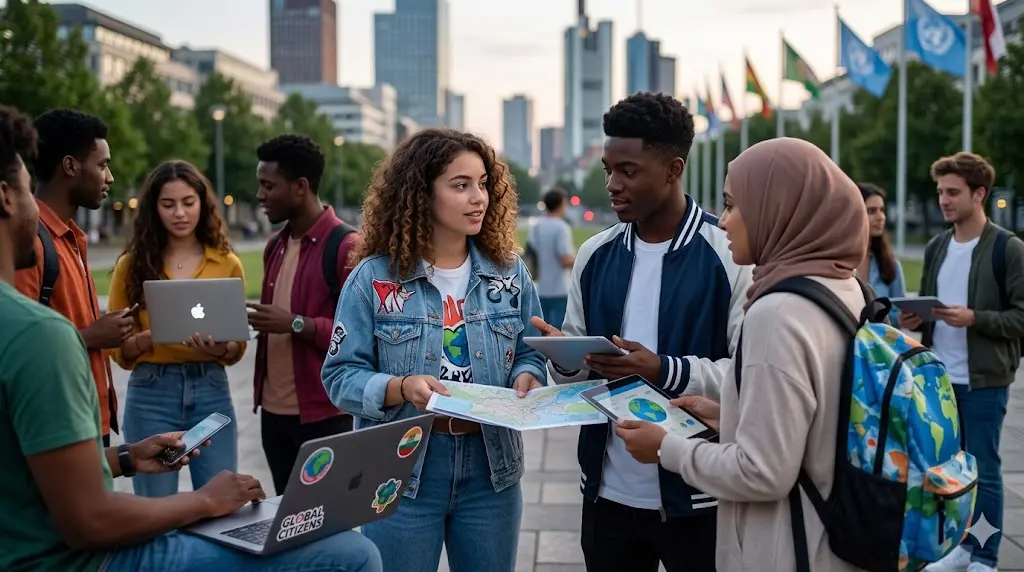
Young people are shaping diplomacy, global business, political activism, and cultural influence faster than many governments expected. From social media movements to cross-border collaborations, youth culture now affects how countries communicate, negotiate, and even compete. That’s why understanding why youth culture is influencing international relations matters more than ever in 2026.
Youth culture influences international relations because younger generations drive global conversations through technology, entertainment, education, and activism. Their online behavior, cultural trends, and economic choices increasingly affect diplomacy, trade, public opinion, and international cooperation.
What Is Youth Culture and Why Does It Matter?
Youth culture refers to the attitudes, behaviors, interests, and trends shared by younger generations. It includes music, fashion, gaming, activism, social media behavior, digital communication, and lifestyle values.
Here’s the thing. Youth culture used to stay mostly local. Now it spreads globally within hours.
A student in India can influence a debate in Europe through short-form video content. A teenager in Brazil might support social movements happening thousands of miles away. That level of connection changes how governments think about influence and diplomacy.
Youth Culture — the shared ideas, habits, entertainment choices, and social behaviors that shape younger generations across different societies.
What most people overlook is that political influence no longer belongs only to governments and news organizations. Online communities now shape opinions before official institutions even respond.
In my experience, many policymakers still underestimate how quickly cultural movements travel online. That gap creates tension between governments and younger citizens who already see themselves as part of a global community.
A report from the United Nations discussed how youth participation in global policy conversations has increased dramatically over the last decade. Research published by academic institutions studying digital communication also shows younger audiences trust creators and peer networks more than traditional state messaging.
Why Youth Culture Is Influencing International Relations in 2026
Youth culture affects international relations because younger people are becoming economic, cultural, and political decision-makers much earlier than previous generations.
That shift is happening fast.
Many international campaigns today are designed around online engagement instead of television diplomacy. Governments now monitor social trends almost like market analysts because public sentiment can change foreign policy pressure overnight.
Digital Activism Is Crossing Borders
Social causes no longer stay inside one country. Climate protests, human rights campaigns, and political awareness movements spread globally through creators, influencers, and livestreams.
A teenager with a smartphone can now shape conversations that once belonged only to journalists or diplomats.
That changes international relations because public pressure influences trade agreements, foreign aid decisions, and political partnerships.
Entertainment Has Become Soft Power
Music, sports, gaming, and streaming content now influence how nations are perceived globally.
South Korean entertainment is probably one of the clearest examples. Its global popularity boosted tourism, exports, language learning, and international cultural influence far beyond entertainment itself.
What started as pop culture became diplomatic influence.
Younger Consumers Affect Global Trade
Young audiences care deeply about sustainability, diversity, ethical business practices, and digital freedom. International brands respond because younger consumers drive online purchasing behavior.
Countries that align with those expectations often strengthen their international image. Others face criticism online that can hurt tourism, partnerships, and investment opportunities.
Expert Tip
If you’re studying international relations, don’t focus only on government policies. Watch youth behavior online. Cultural trends often predict political pressure months before official decisions happen.
How Youth Culture Shapes International Relations Step by Step
Understanding the process makes this topic much easier to follow.
1. Social Platforms Spread Ideas Quickly
Young users share opinions, trends, and political reactions instantly. A single viral topic can create international attention within hours.
Sometimes governments react after public conversations already exploded online. Honestly, that still surprises a lot of officials.
2. Online Communities Create Global Identity
Young people increasingly connect through interests instead of geography.
Gaming communities, music fandoms, climate groups, and digital creators create relationships between people who may never meet physically. Those relationships build shared values across borders.
3. Brands and Media Follow Youth Attention
Businesses invest where audiences spend time. When youth trends grow globally, companies adapt marketing, products, and messaging accordingly.
That influences trade partnerships and international advertising strategies.
4. Governments Respond to Public Sentiment
Public pressure matters more now because global conversations are visible in real time.
If younger audiences strongly oppose a policy, international criticism can spread rapidly. Governments often adjust communication strategies to manage reputation damage.
5. Cultural Influence Changes Diplomacy
Countries increasingly use culture to improve global perception. Sports events, film exports, online creators, and digital innovation all contribute to diplomatic influence.
What used to be “soft culture” now affects hard political outcomes.
Common Misconception About Youth Influence
Young People Don’t Directly Shape Foreign Policy
That’s partly true. Most young people aren’t sitting in diplomatic meetings.
But here’s the counterintuitive part: they still shape the environment surrounding those meetings.
Public opinion influences elections. Elections influence leadership. Leadership affects foreign policy.
So while youth culture may not write international agreements directly, it absolutely shapes the pressure surrounding them.
I’ve seen analysts dismiss online activism as temporary noise. Then six months later, the same issue becomes part of global political debate. That cycle happens more often than people admit.
Real-World Examples of Youth Culture Affecting International Relations
Climate Activism and International Pressure
Youth-led environmental movements pushed climate discussions into mainstream international politics.
Student demonstrations and online campaigns pressured governments to strengthen climate commitments during global summits. Even businesses adjusted sustainability messaging because younger audiences demanded accountability.
That influence didn’t come from formal political power. It came from collective attention.
Sports and Digital Fan Communities
Professional athletes now build massive international audiences through livestreams, podcasts, and social platforms.
A football player speaking about social issues can influence discussions across multiple countries almost instantly.
Sports diplomacy has existed for decades, but digital platforms multiplied its reach dramatically.
Expert Tip
If you manage international marketing or media campaigns, pay attention to youth slang, humor, and online behavior patterns. Small cultural misunderstandings can damage global engagement surprisingly fast.
What Actually Works in International Communication Today?
Let me be direct. Younger audiences don’t trust polished institutional messaging the way older generations once did.
They prefer authenticity.
That means governments, organizations, and international brands increasingly rely on creators, influencers, and relatable communication styles.
Some diplomats now use short-form video platforms because traditional press releases barely reach younger audiences anymore.
Here’s my hot take: future diplomacy might look more like content creation than formal press conferences.
That sounds strange, sure. But honestly, we’re already moving in that direction.
Transparency Matters More Than Perfection
Younger audiences usually forgive mistakes faster than dishonesty.
Governments trying too hard to appear flawless often lose credibility online. Meanwhile, direct and honest communication tends to perform better internationally.
Collaboration Beats Control
What most guides miss is that younger generations value participation more than authority.
Campaigns inviting discussion often outperform campaigns built around strict messaging control.
That applies to politics, branding, and international relations alike.
Why Businesses and Media Companies Care About This Trend
Global businesses follow youth culture because attention drives revenue.
Streaming companies, sports organizations, fashion brands, and technology firms all monitor youth behavior patterns constantly.
International partnerships increasingly depend on cultural relevance.
A company entering foreign markets without understanding younger audiences will probably struggle more than expected.
Media Shapes Political Perception
International documentaries, sports coverage, and online creators influence how countries are viewed globally.
Sometimes entertainment changes public perception faster than official diplomatic campaigns.
That’s a weird reality, honestly, but it’s true.
Expert Tip
Organizations trying to connect internationally should focus less on corporate language and more on relatable storytelling. Younger audiences respond better to human experiences than polished slogans.
People Most Asked About Why Youth Culture Is Influencing International Relations
Why does youth culture matter in politics?
Youth culture matters because younger generations influence public opinion, online trends, elections, and economic behavior. Governments increasingly monitor youth sentiment when shaping communication strategies and policy discussions.
How does social media affect international relations?
Social media accelerates information sharing across borders. Political movements, activism campaigns, and cultural discussions can spread globally within hours, creating public pressure on governments and international organizations.
Can entertainment influence diplomacy?
Yes, it can. Music, film, sports, and streaming content shape global perceptions of countries. Positive cultural influence often improves tourism, trade interest, and international relationships.
Why are younger generations more globally connected?
Technology plays a major role. Young people communicate through online platforms daily, creating communities based on shared interests rather than nationality alone.
How do brands use youth culture internationally?
Brands study youth behavior to improve marketing strategies, product development, and international campaigns. Cultural relevance often affects customer loyalty and global visibility.
Does youth activism actually create political change?
In many cases, yes. Youth activism influences media coverage, public conversations, and election priorities. While change may take time, sustained attention often pressures leaders to respond.
Why do governments monitor online trends?
Governments understand that online discussions shape public perception quickly. Viral conversations can influence diplomatic relationships, economic confidence, and international reputation.
Is youth culture becoming more powerful than traditional media?
Not entirely, but it’s getting close. Younger audiences often trust creators and peer communities more than traditional institutions, which changes how influence spreads globally.
Final Thoughts
Why youth culture is influencing international relations comes down to one major shift: global influence now moves through people, communities, and digital conversations faster than traditional institutions can control.
Young audiences shape trends, political awareness, economic choices, and cultural influence every single day. Governments, businesses, and international organizations are adapting because ignoring youth culture is no longer an option.
At least from what I’ve seen, the countries and organizations that listen carefully to younger generations usually adapt faster to global change. Those that dismiss youth influence often struggle to keep up.
Boost your online authority with global newswire services and trusted digital marketing company solutions designed for brands that want stronger SEO ranking, wider media coverage, and consistent organic traffic. Businesses, agencies, and startups can gain high authority backlinks, instant publishing opportunities, and better brand visibility through proven content promotion strategies that actually deliver measurable reach.