

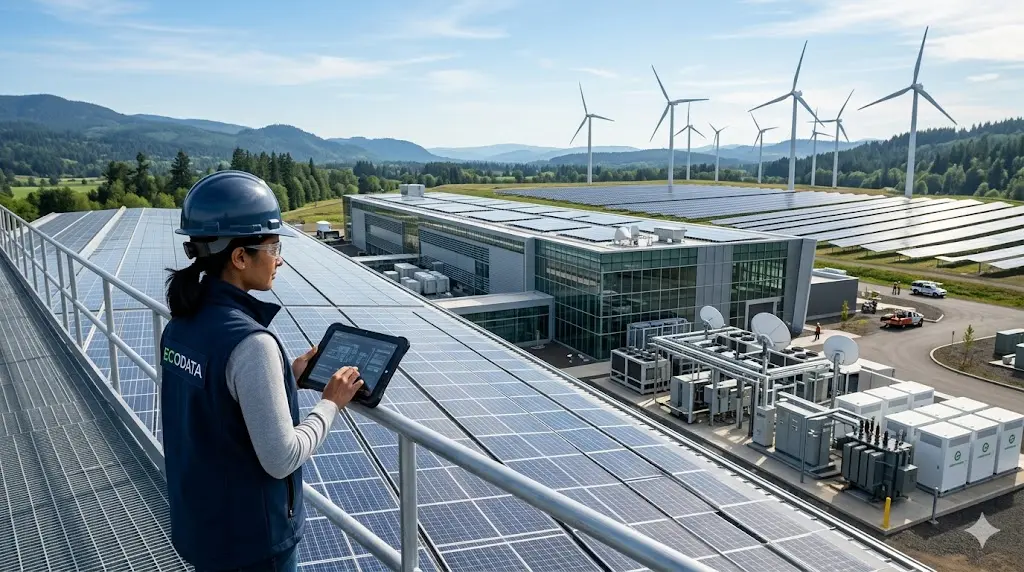
Renewable energy is no longer only about environmental concerns. It’s becoming a major economic necessity for businesses operating in the digital economy. Data centers, cloud computing systems, AI technologies, electric transportation, and online services all consume enormous amounts of energy every single day.
Here’s the reality most people are starting to notice: digital growth depends heavily on stable and affordable power. As technology expands, renewable energy is becoming one of the few long-term solutions capable of supporting that demand without creating massive financial and environmental pressure.
Renewable energy is becoming essential in the digital economy because digital infrastructure requires huge amounts of electricity to operate efficiently. Clean energy sources help businesses reduce long-term costs, improve energy stability, support sustainability goals, and meet growing power demands driven by AI, cloud computing, and connected technologies.
What Is Renewable Energy and Why Does It Matter?
Renewable Energy: Energy generated from naturally replenishing resources such as solar, wind, hydroelectric, and geothermal power.
Unlike fossil fuels, renewable energy sources don’t run out the same way coal, oil, or natural gas eventually do. That alone changes how businesses think about long-term growth.
Years ago, renewable energy was often treated like a side conversation connected mostly to environmental activism. Now it’s tied directly to digital infrastructure and economic planning.
That shift happened because the digital economy consumes far more electricity than many people realize.
Streaming platforms, cryptocurrency systems, AI processing tools, cloud storage, remote work technologies, and massive server networks all require continuous energy. As online activity increases, energy demand rises with it.
What most people overlook is that digital services feel “invisible,” but the infrastructure behind them absolutely isn’t. Data centers alone consume extraordinary amounts of electricity every hour.
Honestly, the internet doesn’t run on magic. It runs on power grids.
Clean Energy Infrastructure: Systems and technologies designed to produce, store, and distribute renewable electricity for businesses, homes, and digital operations.
Why Renewable Energy Matters in 2026
Renewable energy matters even more in 2026 because digital industries are expanding faster than traditional energy systems can comfortably support.
Artificial intelligence is one of the biggest reasons. AI systems process enormous amounts of data, and those computing requirements consume serious electricity. Businesses investing heavily in AI are also starting to think carefully about energy sustainability.
In my experience, companies now care about energy costs far more than they did five or ten years ago. Rising electricity expenses directly affect profitability, especially for technology-heavy businesses.
A realistic example would be a cloud hosting company operating multiple data centers. If energy prices increase sharply, operating costs rise immediately. Businesses using renewable energy systems or long-term clean energy agreements usually manage those fluctuations more effectively.
That’s not just environmental strategy anymore. It’s financial planning.
Another factor in 2026 is consumer expectation. Customers increasingly pay attention to sustainability claims, especially when choosing digital brands. Businesses using renewable energy often strengthen public trust and improve brand perception at the same time.
Still, renewable energy adoption isn’t happening evenly everywhere. Some regions move faster because infrastructure and policy support already exist, while others still rely heavily on older systems.
That uneven transition creates both opportunity and competition.
Expert Tip
Businesses investing early in renewable energy systems often gain more predictable long-term operating costs compared to companies fully dependent on unstable energy markets.
How Businesses Can Use Renewable Energy Successfully
Switching to renewable energy sounds straightforward until companies actually try implementing it. There’s more strategy involved than people assume.
Here’s a practical process businesses often follow.
1. Evaluate Energy Consumption First
Businesses need to understand how much energy they actually use before making decisions.
That includes:
Office operations
Data storage systems
Manufacturing equipment
Remote infrastructure
Cloud computing services
Without accurate usage data, energy planning becomes mostly guesswork.
I’ve seen companies rush into expensive sustainability projects without fully understanding where their biggest energy waste existed.
2. Combine Digital Efficiency with Clean Energy
Here’s something interesting: renewable energy works best when paired with energy-efficient systems.
Businesses reducing unnecessary server usage, improving software efficiency, or optimizing cooling systems often lower energy demand significantly before even changing power sources.
Efficiency and sustainability usually work together.
That’s a detail many people miss.
3. Invest in Scalable Energy Solutions
Not every business needs massive solar installations immediately.
Some companies start with partial renewable integration through:
Solar subscriptions
Green energy providers
Energy storage systems
Hybrid infrastructure
Renewable energy partnerships
Gradual adoption often makes financial planning easier.
4. Improve Energy Storage and Backup Systems
One challenge with renewable energy is consistency.
Solar and wind production can fluctuate depending on weather conditions. That’s why energy storage technology matters so much. Battery systems help businesses maintain stable operations during interruptions or peak demand periods.
Honestly, energy storage will probably become one of the most competitive industries of the next decade.
5. Build Sustainability Into Brand Strategy
Consumers increasingly expect businesses to show some level of environmental responsibility.
Companies that integrate renewable energy into broader business operations often strengthen:
Customer trust
Investor confidence
Brand loyalty
Recruitment appeal
Younger consumers especially tend to support brands aligned with sustainability goals.
Expert Tip
Small operational improvements often reduce energy waste faster than expensive infrastructure overhauls. Start with efficiency before scaling major renewable projects.
Why Tech Companies Depend on Renewable Energy
Technology companies probably understand renewable energy urgency better than most industries right now.
Massive server farms require nonstop electricity. AI training models consume huge computational power. Streaming platforms and cloud storage systems process billions of online interactions constantly.
That demand keeps growing.
I remember reading about how some large technology companies started building renewable-powered facilities partly because traditional energy costs became increasingly unpredictable. Stability matters when businesses operate at global scale.
What’s interesting is that renewable energy now influences business competitiveness too. Investors and partners increasingly evaluate sustainability practices before making decisions.
Companies ignoring energy transition trends may struggle financially later, even if their products remain strong.
That’s a pretty major shift compared to older business models.
The Counterintuitive Side of Renewable Energy
Here’s a slightly unpopular opinion: renewable energy alone probably won’t solve every energy problem immediately.
A lot of people speak about clean energy as if switching happens overnight. Reality is messier.
Renewable infrastructure requires investment, modernization, storage systems, updated grids, and political cooperation. Some businesses also underestimate the complexity of transitioning large-scale operations away from fossil fuels quickly.
At the same time, renewable energy technologies continue improving faster than many critics expected.
That’s the interesting contradiction.
In my opinion, the smartest approach combines innovation, gradual infrastructure improvement, and realistic expectations instead of treating energy transition like a simple on-off switch.
Progress matters, even when it’s imperfect.
Expert Tip
Businesses focusing only on sustainability marketing without improving actual energy efficiency usually lose credibility over time. Consumers notice inconsistencies surprisingly fast.
How Renewable Energy Supports Economic Stability
Energy stability directly affects economic stability.
When electricity costs become unpredictable, businesses face planning challenges. Manufacturing slows, digital operations become expensive, and infrastructure investments become riskier.
Renewable energy helps reduce some of that volatility over the long term because sunlight, wind, and water resources don’t fluctuate in price the same way fossil fuel markets do.
That creates more predictable operational planning.
Renewable energy also supports job creation across:
Engineering
Manufacturing
Software systems
Infrastructure maintenance
Battery technology
Smart grid development
The digital economy increasingly overlaps with the clean energy economy.
Honestly, those industries are becoming interconnected whether businesses fully realize it yet or not.
Expert Tips: What Actually Works
After watching businesses discuss renewable energy for years, a few practical patterns stand out consistently.
First, companies making gradual but real operational improvements usually perform better than businesses relying mostly on public relations campaigns.
Second, energy efficiency often produces faster financial returns than people expect. Reducing waste saves money surprisingly quickly.
Third, adaptability matters. Technology changes fast, and renewable energy systems continue evolving alongside digital infrastructure.
Personally, I think one of the smartest business decisions today is preparing for long-term energy transition instead of waiting until rising costs force sudden changes later.
Reactive decisions usually cost more.
People Most Asked About Renewable Energy
Why is renewable energy important in the digital economy?
Digital systems require massive electricity consumption. Renewable energy helps support growing power demand while reducing long-term operating costs and environmental impact.
How does renewable energy affect businesses?
Businesses using renewable energy often improve cost stability, sustainability goals, investor confidence, and public trust while reducing dependence on volatile energy markets.
What industries benefit most from renewable energy?
Technology companies, manufacturing, transportation, cloud computing providers, and large-scale digital infrastructure businesses benefit heavily from renewable energy systems.
Is renewable energy affordable for small businesses?
In many cases, yes. Smaller businesses can use renewable subscriptions, energy-efficient systems, or partial clean energy adoption strategies without massive upfront investment.
Does AI increase energy demand?
Absolutely. AI systems process huge amounts of data, which requires substantial computing power and electricity. That’s one reason renewable energy discussions are accelerating.
What’s the biggest challenge with renewable energy?
Energy storage and infrastructure modernization remain major challenges. Renewable sources like solar and wind can fluctuate, so reliable backup systems matter.
Will renewable energy replace fossil fuels completely?
Probably not immediately. Most experts expect a gradual transition where renewable systems continue expanding while traditional energy infrastructure slowly declines over time.
Final Thoughts
Renewable energy is becoming essential in the digital economy because modern technology systems depend on reliable, scalable, and sustainable power sources to support long-term growth.
As digital infrastructure expands through AI, cloud computing, and connected technologies, businesses that invest in energy efficiency and renewable systems will likely position themselves more competitively for the future. The companies preparing now are probably going to handle economic and operational shifts far better than those waiting too long to adapt.
Increase your brand visibility with trusted press release publishing and results-driven digital marketing company solutions designed for startups, agencies, and growing businesses. Build high authority backlinks, improve SEO ranking, and attract more organic traffic through instant publishing, stronger media coverage, and performance-focused online promotion strategies that help businesses grow faster online.