

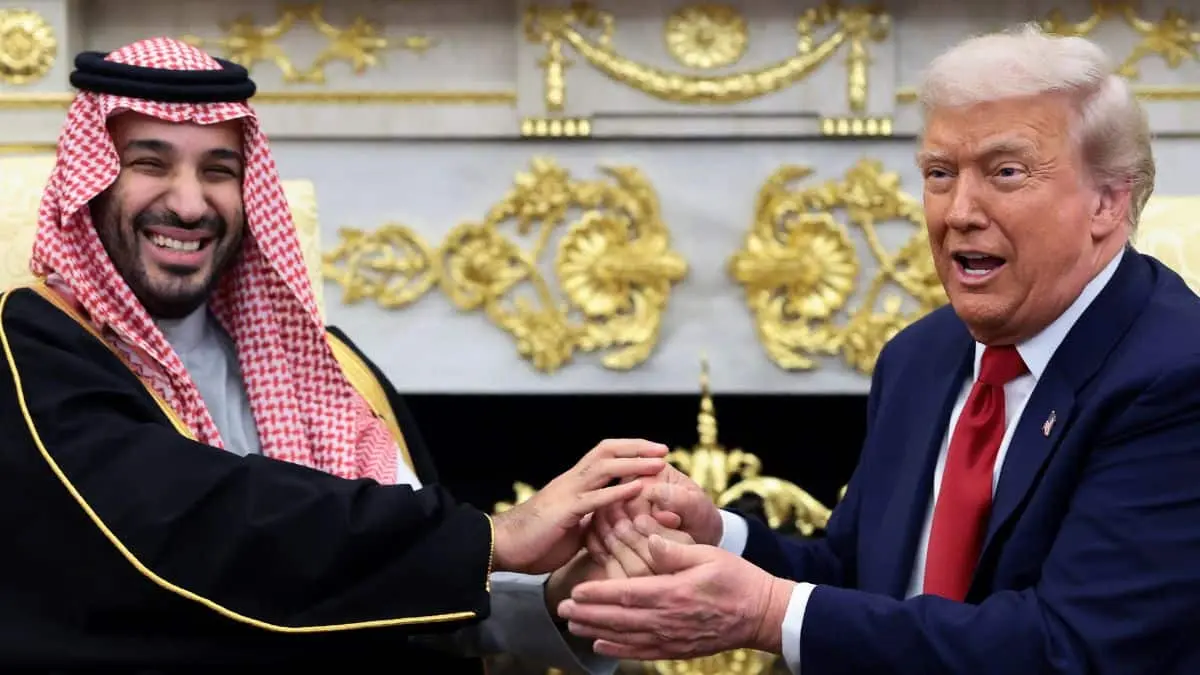
President Donald Trump has formally approved a historic 30-year nuclear cooperation agreement with Saudi Arabia, a move that reshapes US energy policy in the Middle East and deepens ties with the Kingdom. The deal, which has been under negotiation for years, allows for the transfer of American nuclear technology, fuel, and expertise to Saudi Arabia to support its civilian nuclear energy program. However, the agreement has drawn sharp criticism from non-proliferation advocates and some members of Congress because it does not include a requirement for Saudi Arabia to forgo uranium enrichment or reprocessing of spent fuel – capabilities that could be used to produce material for nuclear weapons.
Background of the Deal
The US-Saudi nuclear cooperation effort dates back to the Obama administration, but progress stalled due to concerns over safeguards. Saudi Arabia has long sought to develop nuclear energy as part of its Vision 2030 plan to diversify its economy away from oil. The Kingdom argues it needs nuclear power to meet growing domestic electricity demand and to free up more crude oil for export. Under the 123 Agreement (named after Section 123 of the US Atomic Energy Act), the US is permitted to export nuclear technology to countries that meet certain non-proliferation standards. Typically, the US insists on the “gold standard” – an agreement that the recipient country will not enrich uranium or reprocess plutonium. But the Trump administration has waived that requirement for Saudi Arabia, citing the strategic importance of the relationship.
Key Provisions of the 30-Year Agreement
The deal, formally known as a “123 Agreement” for peaceful nuclear cooperation, covers a wide range of areas. First, it permits US companies to sell nuclear reactors, fuel, and related equipment to Saudi Arabia over three decades. The agreement also establishes a framework for joint research and development in nuclear energy, including advanced reactor designs and small modular reactors. Crucially, the deal allows Saudi Arabia to pursue its own enrichment and reprocessing activities under “safeguards” monitored by the International Atomic Energy Agency (IAEA). However, critics note that the IAEA safeguards only verify that declared nuclear materials are not diverted to weapons; they cannot prevent a country from secretly building enrichment facilities or from withdrawing from the Non-Proliferation Treaty (NPT) and using its capabilities for military purposes.
The deal also includes provisions for US training of Saudi nuclear scientists and engineers, as well as for emergency response and nuclear safety cooperation. The agreement does not, however, require Saudi Arabia to sign the Additional Protocol to the NPT, which gives the IAEA broader inspection powers. This omission has alarmed many in Washington.
Why the Deal Matters for the Middle East
The approval of the Saudi nuclear deal comes amid heightened tensions between the US and Iran. The Trump administration has pursued a maximum pressure campaign against Tehran, withdrawing from the Iran nuclear deal and reimposing sanctions. Critics argue that giving Saudi Arabia enrichment capabilities will encourage Iran to accelerate its own nuclear program, potentially sparking a regional arms race. Saudi Arabia has repeatedly stated that if Iran develops a nuclear weapon, the Kingdom will do whatever it takes to acquire one, including building its own bomb. The current deal, by not prohibiting enrichment, removes a key barrier to that possibility.
Supporters of the deal, including many in the Trump administration, argue that it strengthens the US-Saudi alliance and creates American jobs in the nuclear industry. They also point out that Saudi Arabia is a signatory to the NPT and remains under IAEA safeguards. Moreover, they contend that by engaging with Saudi Arabia, the US can exert greater control over its nuclear program than if the Kingdom turned to competitors like China or Russia for nuclear technology.
Domestic and International Reactions
Within the United States, the deal has been met with a mixed response. Some Republican lawmakers, including those with close ties to the nuclear industry, have praised it as a boost for US energy exports. However, Democratic lawmakers and several arms control groups have condemned it. Senator Ed Markey, a longtime nuclear non-proliferation advocate, called it a “dangerous giveaway” that could lead to the spread of nuclear weapons in the Middle East. The Arms Control Association warned that the deal “removes the most important non-proliferation safeguard the US has ever insisted upon.”
Internationally, the reaction has also been split. Israel, which has long viewed Iran’s nuclear program as an existential threat, has not publicly opposed the deal, as it maintains a close strategic partnership with Saudi Arabia against Iran. However, Israeli officials have privately expressed concern about a potential long-term threat from Saudi enrichment. Iran, meanwhile, has denounced the deal as “provocative” and said it will take “appropriate measures” to protect its national security. Russia and China, which have been competing to sell nuclear technology to Saudi Arabia, have criticized the US for what they see as a double standard.
What the Deal Means for India and Other Nations
The US-Saudi nuclear deal also has global implications for energy markets and non-proliferation norms. For India, which has its own civil nuclear agreement with the US, the deal highlights the challenges of balancing energy needs with security concerns. India, while not directly affected, may see a precedent being set that could be invoked by other nations seeking similar exemptions. The deal also comes at a time when the Trump administration is imposing tariffs on generic drugs from India (as noted in other trending stories), adding another layer of complexity to US-India relations.
Looking Ahead: Implementation and Risks
The 30-year agreement now moves to the US Congress, which has 90 days to review it. Lawmakers can pass a joint resolution of disapproval to block the deal, but that would require a two-thirds majority to override a likely presidential veto. Given the current political dynamics, the deal is expected to survive congressional opposition, though it may face legal challenges from watchdog groups. Implementation will require several steps, including the issuance of specific licenses by the Nuclear Regulatory Commission for reactor exports. Saudi Arabia also needs to finalize contracts with US companies like Westinghouse and GE Hitachi, which are already competing for the first reactors.
Over the long term, the success of the deal will depend on robust IAEA inspections, transparency from the Saudi side, and the overall stability of the region. Any sign that Saudi Arabia is moving toward a weapons capability could trigger a severe crisis in US-Saudi relations and destabilize the entire Middle East. For now, though, the Trump administration is celebrating the deal as a historic achievement that strengthens American influence and creates economic opportunities. The debate over its wisdom will likely continue for years.
Source: Firstpost News