

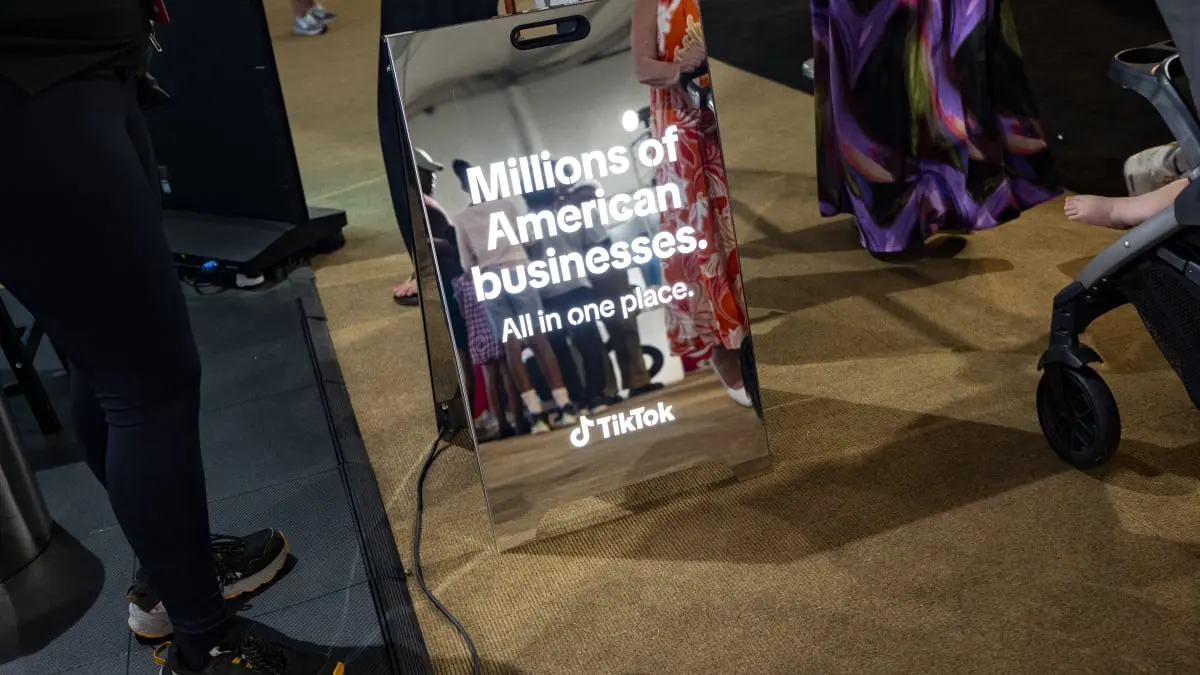
TikTok is no longer just a place to watch viral dances, cooking hacks, and travel clips. It has become a shopping destination in its own right, and the numbers are staggering. According to newly published spending data, shoppers have spent $50 billion on TikTok in a single six-month period. The figure highlights just how quickly the platform has moved from entertainment to e-commerce, and it signals a major shift in how people discover and buy products.
Key facts at a glance
- Shoppers spent $50 billion on TikTok over the course of six months.
- The spending spans both physical products and digital goods sold through TikTok’s integrated commerce tools.
- Live shopping events and creator-led promotions are among the biggest drivers of sales.
- TikTok has expanded its shopping features across multiple countries, including the United States, the United Kingdom, and Southeast Asian markets.
- The rapid growth comes with increased scrutiny over product quality, counterfeits, and data privacy.
From entertainment to storefront
TikTok’s evolution into a commerce platform did not happen overnight. The company spent years testing shopping features in different markets before launching TikTok Shop more broadly. In the United States, the shopping tab became more visible in 2023, allowing brands and creators to sell products without leaving the app. The integration of product links, in-feed videos, and live streams created a frictionless path from discovery to checkout.
That seamless experience is part of the reason shoppers have embraced the platform. Traditional e-commerce often requires a user to see an ad, click through to a website, create an account, enter payment details, and then wait for a package. TikTok collapses most of those steps. A user can watch a short video, tap the shopping bag icon, and complete a purchase in seconds. For a generation raised on convenience and speed, that is a powerful formula.
Live shopping is the engine
One of the most significant drivers of TikTok’s sales is live shopping. Creators and brands host live streams in which they showcase products, demonstrate how they work, answer viewer questions, and offer limited-time discounts. The format borrows from home shopping networks but with an internet-native energy. Viewers can chat in real time, react with emojis, and buy items while the stream is still running.
Live commerce has been popular in China for years, but TikTok has helped bring it to Western audiences. The success of these streams is often tied to the host’s personality and ability to build trust. When a creator recommends a product during a live session, it can feel more like advice from a friend than a commercial. That authenticity is hard for traditional online stores to replicate.
Creators are the new salespeople
Creators have become the backbone of TikTok commerce. Many users do not search for products on TikTok; they discover them through the creators they already follow. A makeup tutorial, a tech review, or a cleaning hack can quickly turn into a sales event if the video goes viral. Brands have taken notice and are increasingly building partnerships with influencers rather than relying only on paid ads.
The creator economy has also given rise to a new type of entrepreneur. Some creators have launched their own product lines, selling directly to their audiences through TikTok. Others have become affiliates, earning commissions on sales generated through their links. The result is a marketplace where almost anyone with a smartphone and a following can become a retailer.
This shift is particularly important for small businesses. TikTok has lowered the barrier to entry for independent sellers who may not have the budget for expensive marketing campaigns. A well-produced video can reach millions of viewers, and the platform’s algorithm rewards content that keeps people watching and engaging.
What makes TikTok different from traditional e-commerce
Social commerce is not new. Platforms like Facebook and Instagram have tried to sell products directly for years. But TikTok has succeeded where others have struggled, at least in part because of its discovery model. Instead of searching for a product, users are shown content based on their interests. The algorithm can surface a product that a user did not know they wanted, which makes the shopping experience feel more organic.
The entertainment factor also matters. People open TikTok to be entertained, not to shop. But because shopping is woven into the content, it feels less intrusive. The best TikTok merchants understand this and create videos that are useful or funny first, with the product as a natural part of the story. That approach keeps users engaged and builds a sense of community around a brand.
The challenges facing TikTok commerce
Rapid growth has also brought problems. Regulators and consumer advocates have raised concerns about counterfeit goods, misleading product claims, and the difficulty of vetting third-party sellers. Because TikTok’s marketplace is massive and moves quickly, some questionable products have slipped through the cracks. The company has taken steps to remove bad actors, but the sheer volume of listings makes enforcement a challenge.
Data privacy is another issue. Social commerce requires TikTok to collect vast amounts of information about user behavior, payment details, and purchasing habits. Governments around the world have already scrutinized the platform over its data practices, and the expansion of shopping features gives regulators even more reason to pay attention. If users begin to worry that their financial information is not safe, trust could erode quickly.
There is also the question of whether the shopping boom can last. Some categories, especially apparel, beauty, and home goods, perform exceptionally well on TikTok. But not every product is suited to rapid-fire video promotion. High-ticket items, for example, may still require careful research and comparison shopping that a video cannot easily provide.
What this means for the future of retail
The $50 billion spent in six months suggests that social commerce is no longer a niche experiment. It is a major channel that brands must take seriously. Retailers that ignore TikTok risk losing access to a younger, engaged audience that expects shopping to be integrated into the platforms where they already spend time.
At the same time, the growth of TikTok commerce is forcing other platforms to innovate. Instagram, YouTube, and Amazon are all experimenting with similar features, including shoppable live streams and creator-led storefronts. The competition is likely to produce better experiences for consumers, but it will also intensify the battle for attention and trust.
TikTok’s next challenge will be to demonstrate that it can handle the responsibility that comes with being a major retailer. Buyers want clear return policies, reliable shipping, and honest product reviews. Sellers want predictable rules and access to growth tools. Regulators want transparency and accountability. If TikTok can satisfy all three groups, the platform could become one of the most important storefronts in the world. If it cannot, the boom may slow as quickly as it began. For now, the shopping carts are still filling, and the platform is only getting more powerful.
Source: Mashable News