

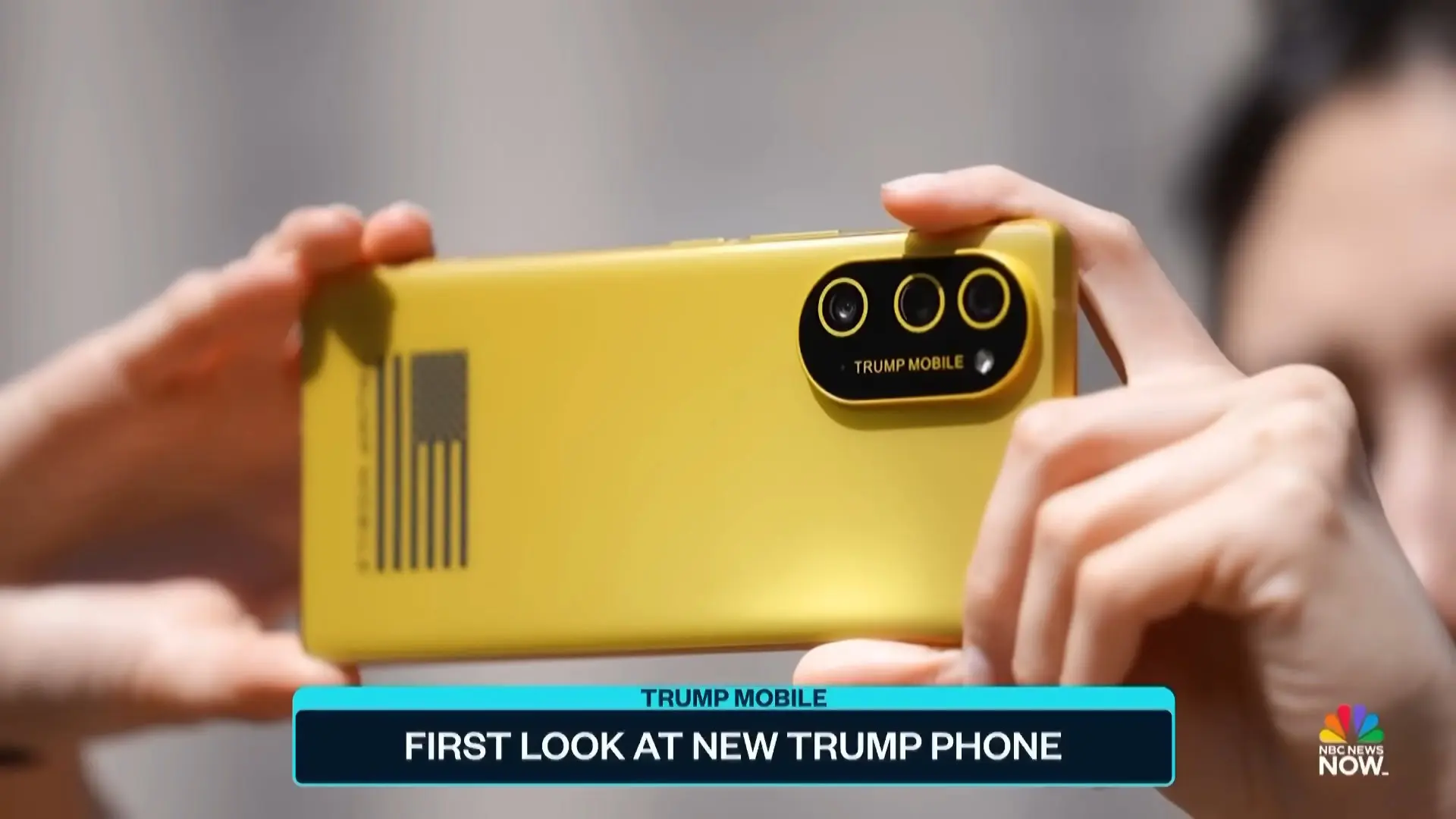
The T1 phone, often referred to in popular media as the Trump phone, has become one of the most controversial and bizarre tech stories of the year. From early vaporware concerns to a massive data leak affecting thousands of customers, the device has been shrouded in controversy. The situation has only grown more chaotic as the Poplar Group, the public relations firm that had been representing Trump Mobile, has officially cut ties with the company. This development adds another layer of disbelief to an already astonishing saga.
The Poplar Group's founding partner, Chris Walker, confirmed to The Verge that his team "is not assisting Trump Mobile any further." Walker had previously provided a statement to USA Today claiming that T1 phones are manufactured in the United States. That claim was later proven false, and Trump Mobile has since admitted the phones are not made in America. The departure of the PR team leaves the company without a professional media relations strategy at a critical time.
To understand the full scope of this story, it's necessary to revisit the T1 phone's troubled history. Initially announced with much fanfare, the device was positioned as a high-end, secure smartphone tailored for supporters of former President Donald Trump. However, early skepticism arose when the company failed to provide concrete details about the phone's specifications, manufacturing origins, and release timeline. Critics and tech analysts quickly labeled the product as vaporware, a term used to describe products that are announced but never actually materialize.
Months later, the T1 phone finally launched, but the excitement was short-lived. A teardown performed by a reputable tech publication revealed that the phone was simply a gold-plated, modified version of the HTC U24 Pro. This discovery shattered the illusion of a unique, American-made device. The T1 phone's internal components, software, and design were almost identical to the HTC model, leading many to question the premium price tag attached to the Trump-branded variant.
Adding to the troubles, a data leak exposed sensitive information belonging to thousands of T1 phone customers. The leak included names, addresses, phone numbers, and even payment details, raising serious privacy and security concerns. Trump Mobile initially downplayed the incident but later confirmed the breach. The company's handling of the situation was widely criticized, and the lack of a competent PR team only exacerbated the damage.
Public relations firms are typically brought in to manage a company's image, especially during crises. They craft messaging, prepare press releases, and advise on how to navigate negative coverage. The Poplar Group's decision to abandon Trump Mobile suggests that the situation may be beyond repair. Chris Walker's statement was brief and left no room for ambiguity. When asked if Trump Mobile has secured a new PR and media relations firm to replace the Poplar Group, Walker stated he did not know. This uncertainty leaves the company in a precarious position, as it now must either find a new firm or handle its own public relations.
The T1 phone saga is not just a story about a failed product; it is also a cautionary tale about the risks of leveraging political branding in consumer electronics. The phone's association with a highly polarizing political figure attracted a dedicated fan base but also invited intense scrutiny. The disconnect between the marketing claims and the reality of the product has undermined the trust of even the most loyal supporters.
From a business perspective, the departure of the PR team is a significant blow to Trump Mobile. Reputation management is crucial for any company, but especially for one that has faced multiple scandals. Without professional guidance, the company may struggle to regain public confidence. Moreover, the lack of a clear communication strategy could hinder any efforts to address the data leak or to clarify the phone's true origins.
This case also highlights broader issues within the tech industry regarding transparency and consumer protection. The practice of rebadging existing hardware and selling it under a new brand is not uncommon, but it often leads to consumer confusion and dissatisfaction. Companies that attempt to pass off a rebranded device as a novel innovation risk legal and regulatory consequences. In the case of the T1 phone, the Federal Trade Commission (FTC) could potentially investigate false advertising claims.
As of now, Trump Mobile has not issued an official statement regarding the PR team's departure. The company's website still promotes the T1 phone as a secure and American-made device, despite evidence to the contrary. It remains to be seen whether the company will pivot to a new PR strategy or continue to face the music alone.
The bizarre nature of this entire affair cannot be overstated. What began as a niche product for a specific political demographic has transformed into a textbook example of how not to launch a smartphone. Each new development seems more improbable than the last, from the fake "Made in the USA" claims to the gold-plating gimmick, and now the sudden abandonment by the very people hired to polish the company's image.
Tech enthusiasts and political observers alike are watching closely to see what happens next. Will Trump Mobile manage to survive this crisis? Or will the T1 phone go down in history as one of the biggest flops in consumer electronics? The lack of a PR team now means that any future announcements or damage control efforts will be even more challenging to coordinate.
Source: Android Authority News