

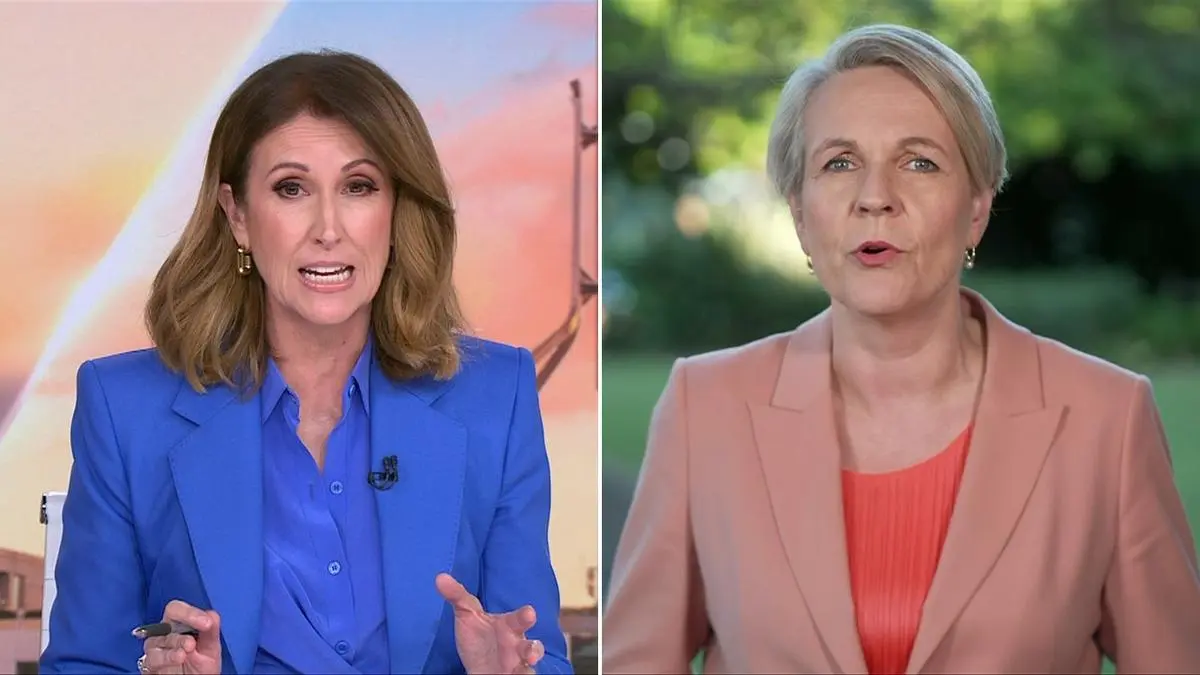
The Australian breakfast television program Sunrise featured a heated exchange on Monday morning between host Nat Barr and Federal Environment Minister Tanya Plibersek, centering on the dark side of the electric vehicle (EV) revolution: Indonesia's unsafe and environmentally destructive nickel mines. The discussion followed a bombshell investigation aired on 7NEWS' Spotlight program, which revealed the grim realities behind the nickel supply chain that powers the global EV boom.
The Spotlight Investigation
The Spotlight documentary exposed nickel mines in Central Sulawesi and on the island of Halmahera, near West Papua, that are heavily polluting and operate under deadly conditions. Backed by billions of dollars in Chinese investment, these mines have been accused of destroying local ecosystems and causing numerous worker fatalities. The investigation highlighted the stark contrast between the clean-energy narrative of EVs and the filthy reality of mining the essential materials.
The Heated Exchange
Nat Barr opened the segment by directly asking Plibersek: "Tania, your government has been pushing hard for the uptake of electric vehicles. Does this make you rethink your position?" The minister responded by emphasizing the need for more domestic mining and processing in Australia. "Well, it makes me think ... we should make more here and mine more here," Plibersek said. She pointed to the previous Coalition government's closure of the Australian car industry and promoted Labor's 'Future Made in Australia' policies, which include production tax credits for nickel mining.
Barr pressed further, noting the devastating impact on Australia's nickel industry, with billionaire Andrew Forrest shutting down his West Australian mine due to a supply glut that crashed prices and cost 1,000 jobs. "How closely are you working with Indonesia? They're not only undercutting our industry and sending our nickel industry broke. Did you see how filthy it is? People are dying in those mines. Yet, you're the environment minister?" Barr demanded.
Plibersek acknowledged the shocking conditions and said Australia works through trade agreements and bilateral arrangements to improve international standards. She argued that more production should happen in Australia, but blamed the Coalition for opposing tax credits and for dismantling the car industry. When Barr asked if Australia should rip up its memorandum with Indonesia, Plibersek refused to give a direct answer, instead reiterating the need for domestic production.
Barnaby Joyce Joins the Fray
Nationals MP Barnaby Joyce then interjected, calling the entire EV and renewable energy push a "huge swindle." He accused Labor of stopping mines in Australia while allowing destructive practices overseas. "How many times have we been coming on this show and saying to people 'This is a huge swindle. You gotta realise what's happening'. Apparently, it's good for the environment? It's disgusting for the environment!" Joyce exclaimed. He listed other ethical issues, including slave labor in solar panel production and child labor in cobalt mines, and argued that billionaires profit from guilt-driven consumerism. Plibersek countered that the government's policies would improve standards and create jobs in Australia.
Background on the Nickel Industry
Nickel is a critical component in lithium-ion batteries used by most electric vehicles. As global demand for EVs surges, so does the need for nickel. Indonesia has become the world's largest nickel producer, with output growing rapidly due to Chinese investment in processing facilities. However, many of these operations rely on coal-fired power and use high-pressure acid leaching technology that creates toxic waste. Environmental groups have documented widespread deforestation, water pollution, and coral reef damage. Labor conditions are also alarming, with reports of inadequate safety measures leading to deaths and injuries.
In Australia, the nickel industry has suffered from the Indonesian supply glut. Andrew Forrest's company, Wyloo Metals, closed its Western Australian nickel operations in early 2024, leading to significant job losses. Other companies have scaled back or suspended projects. The Australian government has introduced production tax credits to support local nickel mining, but critics argue they are insufficient against cheap Indonesian exports.
Political Fallout
The Sunrise segment reflects the growing political tension over Australia's role in the clean energy transition. The Albanese government has set ambitious EV adoption targets and is promoting domestic manufacturing through its 'Future Made in Australia' agenda. However, opposition parties accuse Labor of hypocrisy, supporting EVs while failing to protect Australian workers from unfair competition and turning a blind eye to overseas abuses. The exchange also highlighted divisions within the government, as Plibersek faced tough questions from her own side about the effectiveness of international agreements.
Broader Implications
The dirty nickel controversy underscores the complex ethical and environmental trade-offs in the global push for decarbonization. While EVs reduce tailpipe emissions, their supply chains often involve significant environmental and social costs. Consumers and policymakers are increasingly challenged to ensure that the transition to clean energy does not simply export pollution and exploitation to developing nations. The Australian government's response will be closely watched, particularly as it negotiates trade agreements and invests in domestic battery manufacturing. The Spotlight investigation has brought these issues into the public eye, forcing a national conversation about the true cost of the green revolution.
As the world races to electrify transport, the question remains: can we produce the necessary materials without repeating the mistakes of the past? The exchange on Sunrise suggests that Australia is still grappling with this question, and that no easy answers exist. The government insists that domestic production with higher standards is the way forward, but critics argue that without stronger action, the country will continue to rely on dirty imports. The debate is far from over, and the nickel mines of Indonesia will remain a flashpoint in the politics of climate and trade for years to come.
Source: 7NEWS News