

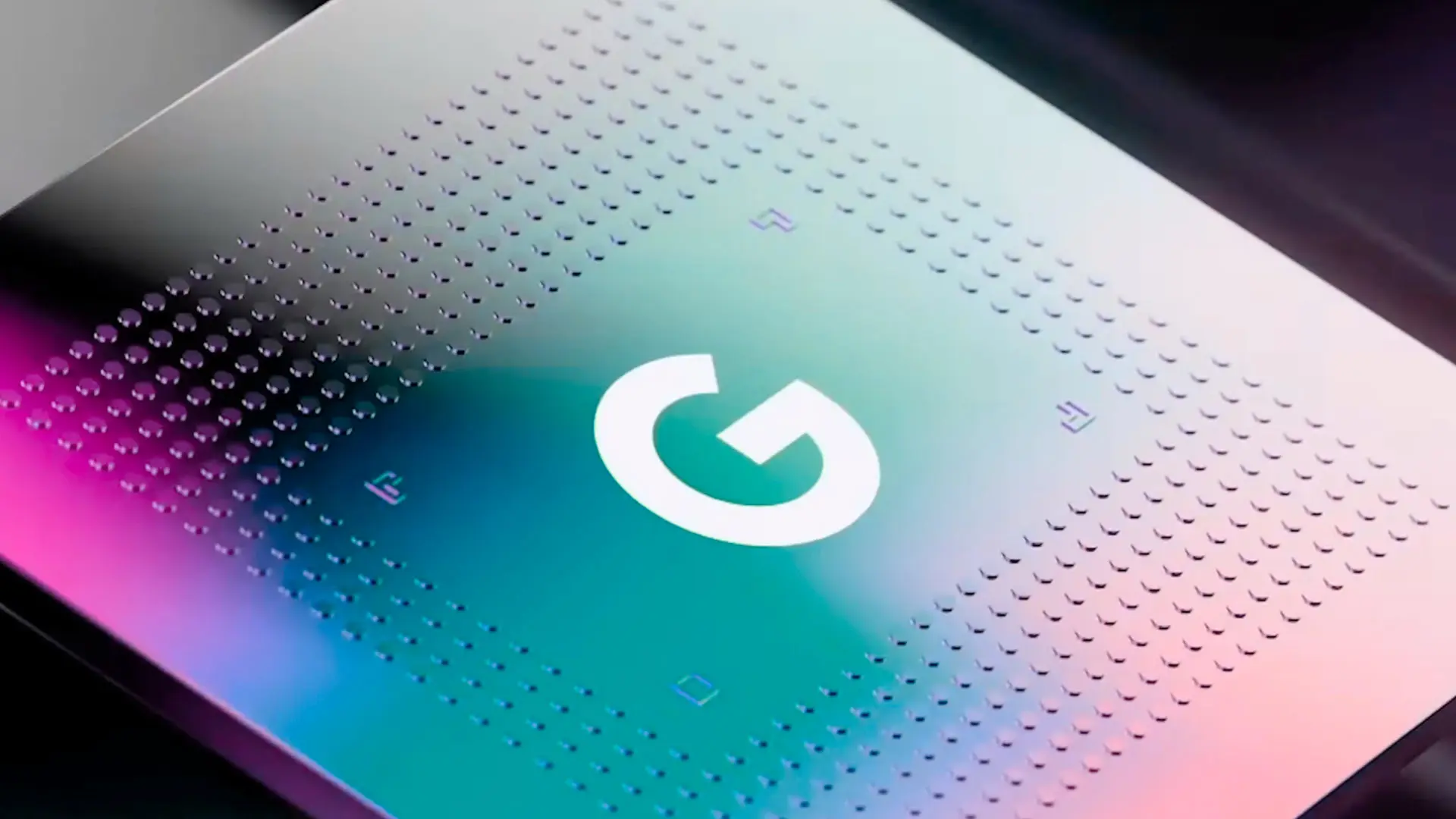
Background: Google’s Tensor Chip Evolution
Since the introduction of the Tensor chip with the Pixel 6 series in 2021, Google has taken a unique approach to mobile processors. While the company designs its own Tensor SoCs, it relies heavily on intellectual property from other semiconductor firms for key components. For instance, the GPU has traditionally come from ARM’s Mali architecture, and the modem has been sourced from Samsung’s Exynos division. This strategy allows Google to customize the chip for its AI and machine learning workloads while leveraging proven technologies from partners. However, it has also led to mixed results, particularly in areas like modem performance and power efficiency.
The first-generation Tensor (GS101) used an Exynos 5123 modem, which was derived from Samsung’s Exynos 2100. Subsequent iterations—Tensor G2 (GS201), Tensor G3 (GS301), Tensor G4 (GS401), and Tensor G5 (GS501)—continued to rely on Samsung’s modem technology. While these modems offered decent connectivity, they were often criticized for higher power consumption compared to Qualcomm’s Snapdragon X-series modems, leading to reduced battery life in cellular-heavy scenarios. Additionally, some users reported occasional connectivity issues, such as dropped calls or slower data speeds in fringe areas.
As Google’s Pixel lineup matured, the company increasingly focused on improving the total user experience. However, persistent rumors suggested that Google was exploring alternatives to Samsung’s modems. The Tensor G5, which powers the Pixel 10 series, already marked a significant departure by moving from Samsung’s foundry to TSMC for chip manufacturing—a shift that improved thermal performance and efficiency. The next logical step would be to address the modem bottleneck.
The FCC Filing That Sparked the Speculation
On July 10, 2026, the Pixel 11 Pro Fold made an appearance at the U.S. Federal Communications Commission (FCC). The FCC certification process requires manufacturers to submit detailed test reports covering radio frequency (RF) exposure, known as Specific Absorption Rate (SAR), as well as compatibility with various wireless standards. These documents are public and often reveal hardware details before official announcements.
In this case, the SAR test report for the Pixel 11 Pro Fold spanned dozens of pages filled with dense tables of measurements. On page 30, eagle-eyed observers noticed a reference to MediaTek algorithms. The report states that the test was conducted using a MediaTek algorithm for RF power control. Since SAR testing measures the amount of RF energy absorbed by the body when using a device, the modem’s power management algorithms are crucial. Samsung’s Exynos modems use their own proprietary algorithms, not MediaTek’s. Therefore, the appearance of MediaTek in the FCC filing strongly suggests that the Pixel 11 Pro Fold—and by extension the entire Pixel 11 series—will use a MediaTek modem.
These rumors are not new. Reports from late 2025 indicated that Google was evaluating MediaTek’s M90 modem for the Tensor G6. The M90 is a 5G modem built on a 6nm process, supporting sub-6GHz and mmWave bands, with peak download speeds up to 7 Gbps. It also offers advanced power-saving features, such as MediaTek’s UltraSave 3.0 technology, which could address the battery drain issues associated with previous Exynos modems.
What a MediaTek Modem Means for the Tensor G6
If Google indeed makes the switch from Samsung Exynos to MediaTek for the Tensor G6’s modem, it would be a significant shake-up in the chip’s architecture. The modem is a critical component that directly impacts battery life, signal quality, and overall connectivity experience. MediaTek has made great strides in recent years, particularly with its Dimensity line of SoCs, which have been praised for their strong modem performance and efficiency. The M90 modem, in particular, is designed to compete with Qualcomm’s Snapdragon X75 modem.
One of the key benefits of moving to a MediaTek modem could be reduced power consumption. Exynos modems have historically trailed Qualcomm’s in both idle and active power draw, leading to faster battery depletion during LTE or 5G usage. MediaTek’s modems, on the other hand, have demonstrated competitive efficiency, especially in low-power states. This aligns with Google’s push to improve battery life in its Pixel phones, which has been a common point of criticism in past models.
Another potential advantage is improved carrier aggregation and global band support. MediaTek modems often support a wider range of frequency bands out of the box, which could allow Google to streamline the hardware for different regions without requiring multiple modem variants. This would simplify production and potentially reduce costs. Additionally, MediaTek’s modem firmware has been praised for its stability and fast handover between towers, which could lead to fewer dropped calls and more consistent data speeds.
However, switching modems is not without risks. Google’s software stack, including its custom algorithms for network selection and AI-based call management, has been optimized for Samsung’s modems over several generations. Re-engineering these features for a MediaTek modem could take time and might introduce bugs or performance regressions in the early days. Additionally, MediaTek’s modem drivers and integration layers are different from Samsung’s, requiring close collaboration between Google and MediaTek’s engineering teams. The Pixel 11 series is expected to launch in August 2026, so Google has had time to fine-tune the integration, but there is always a chance of teething issues.
Broader Implications for the Pixel 11 Series
The Pixel 11 series is expected to include the Pixel 11, Pixel 11 Pro, and Pixel 11 Pro Fold, all powered by the Tensor G6. The leaked FCC filing for the Pro Fold suggests that the modem switch applies across the lineup. This would mark the first time a Tensor chip uses a non-Samsung modem, breaking a four-generation tradition. The Tensor G6 itself is also rumored to be built on TSMC’s 3nm process, which would further improve efficiency and performance.
Beyond the modem, the Tensor G6 is expected to bring upgrades to the NPU (Neural Processing Unit) for better on-device AI, an enhanced ISP (Image Signal Processor) for computational photography, and possibly a new GPU core from Imagination Technologies (instead of ARM Mali). The combination of a TSMC-made SoC and a MediaTek modem could finally make the Pixel 11 series competitive with rivals like the iPhone 18 and Samsung Galaxy S26 in terms of both raw performance and battery life.
Google’s relationship with MediaTek also opens up possibilities for future chips. If the partnership is successful, we might see Google continue to use MediaTek modems in Tensor G7 and beyond, potentially even expanding to other components like Wi-Fi or Bluetooth radio chips. For now, the focus is on the Pixel 11’s launch, which is just weeks away. The FCC filing has provided one of the strongest pieces of evidence yet that the modem change is real, giving enthusiasts and analysts a reason to be optimistic about the new device’s connectivity performance.
It’s worth noting that the FCC filing is not an official confirmation from Google. The company has not commented on the rumors, and it remains possible that the reference to MediaTek algorithms could be for a different component or testing procedure. However, given the consistency of leaks over the past year and the logical progression of Google’s chip strategy, the evidence is compelling. As we wait for the official announcement, the Pixel 11 Pro Fold’s FCC listing serves as a tantalizing preview of the hardware changes inside.
What This Means for Consumers
For everyday users, a switch to a MediaTek modem could translate to tangible benefits: longer battery life during commute with 5G turned on, fewer buffer interruptions during streaming, and more reliable connections in crowded areas like stadiums or airports. Content creators who upload large files while on cellular data may also experience faster upload speeds if the M90 modem’s peak throughput is realized. Additionally, MediaTek’s modem firmware has a reputation for better handling of dual-SIM scenarios, which could appeal to travelers.
However, there is also the question of software updates. Google has a track record of updating modem firmware through its Feature Drops, but integrating a new modem vendor might complicate the update process. MediaTek has improved its support lifecycle, but it remains to be seen how quickly it can respond to carrier-specific requirements or security patches. On the flip side, Google’s deep integration with ModemManager in AOSP could allow for more granular control over the modem’s behavior, potentially leading to faster issue resolution.
The Pixel 11 series will face stiff competition from Qualcomm-powered flagships, which typically offer the best modem performance due to Qualcomm’s deep carrier relationships and decades of expertise. However, if Google can achieve near-parity with a MediaTek modem, the Tensor G6 could become a more holistic competitor. The FCC filing has given us a strong hint, and all eyes will now be on the August launch event to see if Google confirms the change.
Source: Android Authority News