

Introduction: The Dawn of Intelligent Transport
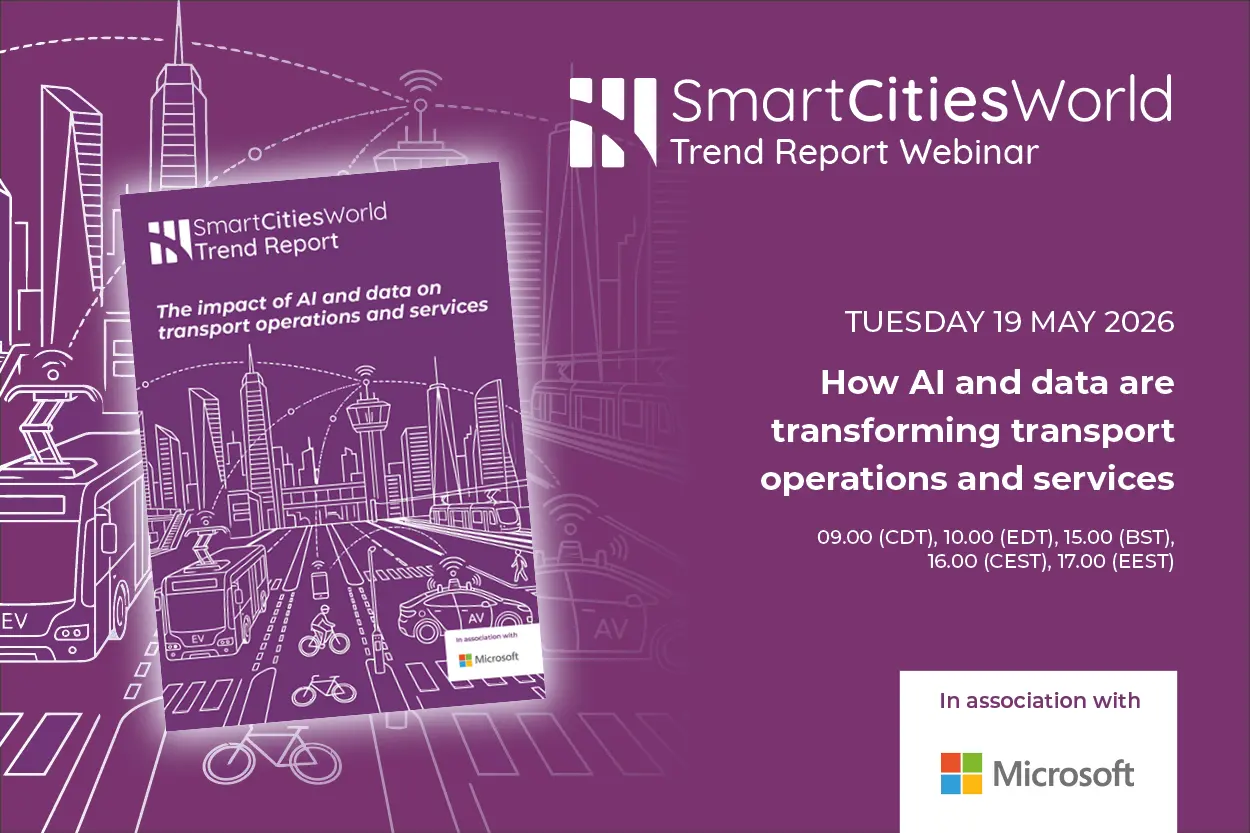
The convergence of artificial intelligence, big data, and connected urban infrastructure is fundamentally reshaping how cities manage transport and services. As urban populations swell and climate pressures mount, traditional approaches to mobility and infrastructure management are proving inadequate. The OnDemand Trend Report Webinar highlighted groundbreaking applications of AI and data analytics that are not only optimizing traffic flows but also enhancing resilience, sustainability, and overall quality of life. This article delves into the key themes from the report and related initiatives, exploring how digital twins, sensor networks, and AI-powered decision-making are transforming urban operations worldwide.
The Role of AI and Digital Twins in Urban Infrastructure
Digital twins—virtual replicas of physical systems—have emerged as a cornerstone of modern urban management. By combining real-time sensor data with predictive algorithms, cities can simulate traffic patterns, energy consumption, and emergency responses. For instance, AI-powered digital twins allow transport authorities to test interventions before implementing them in the real world, reducing costs and disruptions. According to industry experts, these models are becoming increasingly sophisticated, integrating building data, weather forecasts, and behavioral analytics to provide a holistic view of city operations. This shift enables proactive maintenance, dynamic routing, and optimized resource allocation.
Enhancing Sustainability and Resilience
Climate change demands that urban infrastructure become both sustainable and resilient. Digital twins help cities identify vulnerabilities—such as flood-prone areas or heat islands—and simulate mitigation strategies. In transport, this means designing adaptive traffic systems that can reroute vehicles during extreme weather events, as seen in Quezon City after unexpected extreme rainfall. Smart sensor networks further bolster safety by detecting risks early, from structural weaknesses in bridges to air quality anomalies in tunnels. These technologies not only improve situational awareness but also support healthier, more secure urban environments.
Global Case Studies: Leading the Way
Several cities are already pioneering AI-driven transport transformations. Malaysia is positioning itself as a hub for AI-powered urban innovation, with the first Southeast Asian Smart City Expo in Kuala Lumpur showcasing projects that integrate AI with public transit, waste management, and energy grids. Sunderland, UK, is leveraging digital infrastructure and low-carbon innovation to build a resilient economy, as detailed in its city profile. Dublin, meanwhile, uses digital twins for traffic reduction and economic growth, while simultaneously improving community services. These examples underscore that AI adoption is not a distant future but a present-day imperative.
Malaysia’s Smart City Expo and AI Ecosystem
At the Southeast Asian Smart City Expo, Malaysian authorities highlighted how AI optimizes bus routes, reduces congestion, and monitors air quality. By partnering with technology firms, they have created a data-sharing platform that enables real-time decision-making. This ecosystem extends to building management, where AI controls lighting, heating, and security based on occupancy patterns. Such integrations demonstrate the multiplicative value of connected urban systems.
Sunderland: From Industrial Hub to Smart City
Sunderland’s transformation offers lessons for post-industrial cities. By deploying fiber networks and IoT sensors, the city has improved waste collection efficiency by 30% and reduced energy costs in public buildings. Transport operations have benefited from AI-driven traffic lights that adapt to pedestrian and vehicle flows, cutting average commute times. The city profile emphasizes collaboration between local government, universities, and private sector stakeholders as critical to success.
Dublin’s Digital Twin and Traffic Management
Dublin’s digital twin project integrates traffic data from cameras, GPS, and mobile apps to create a real-time model of city mobility. This has enabled dynamic pricing for parking, reduced idling emissions, and improved public transport scheduling. The city also uses AI to predict accident hotspots and deploy emergency services preemptively. Economic growth has followed, as reliable transport attracts businesses and tourists.
The Data Foundation: Preparing for AI
Effective AI requires robust data groundwork. Cities like Sunderland have invested heavily in data lakes, standardization, and governance to ensure algorithms are trained on high-quality information. The webinar emphasized that preparing for AI means moving beyond siloed datasets to integrated platforms that capture everything from traffic counts to building energy use. Only then can digital twins and predictive models deliver accurate insights. This preparatory phase often involves partnerships with technology vendors and academic institutions to develop scalable solutions.
Smart Sensor Networks and Indoor Safety
Beyond streets, smart sensors are transforming indoor environments. In transport hubs like airports and train stations, sensors detect smoke, gas leaks, or structural stress early, alerting operators to potential hazards. These systems also improve energy efficiency by adjusting ventilation and lighting based on occupancy. Gareth Tang, President of Urban Solutions at ST Engineering, explains that urban AI applications are evolving from simple automation to adaptive systems that learn from user behavior and environmental feedback.
Podcasts and Urban Exchange Insights
The SmartCitiesWorld podcast series explores sovereign AI for cities, where experts discuss data sovereignty and local AI models. Meanwhile, the Urban Exchange program provides firsthand accounts of resilience measures, such as Quezon City’s response to unexpected rainfall. These dialogues highlight the importance of context-specific solutions—AI that respects local data laws and cultural norms while delivering global best practices.
Future Directions and Operational Impact
As AI matures, its impact on transport operations will deepen. Autonomous vehicles, dynamic tolling, and demand-responsive transit are all predicated on real-time data and machine learning. The trend report panel discussion, titled “Operating smarter: using digital twins and AI to reshape urban infrastructure management,” underscores a shift from reactive to predictive governance. However, challenges remain, including data privacy, algorithmic bias, and the digital divide. Cities must adopt inclusive frameworks that ensure equitable access to improved services.
Newsletters and Continuous Learning
To stay abreast of developments, professionals rely on daily and weekly newsletters that compile the latest news, city interviews, and special reports. These resources foster a community of practice around AI and smart cities, enabling cross-pollination of ideas.
In summary, the integration of AI, data, and connected infrastructure is not merely an upgrade—it is a paradigm shift. From digital twins that mirror every streetlight to sensor networks that protect commuters, the technologies explored in the OnDemand Trend Report Webinar are laying the groundwork for more resilient, sustainable, and efficient urban operations. As cities like Kuala Lumpur, Sunderland, Dublin, and Quezon City demonstrate, the path forward involves collaboration, open data, and a relentless focus on outcomes that improve people’s lives.
Source: Smart Cities World News