

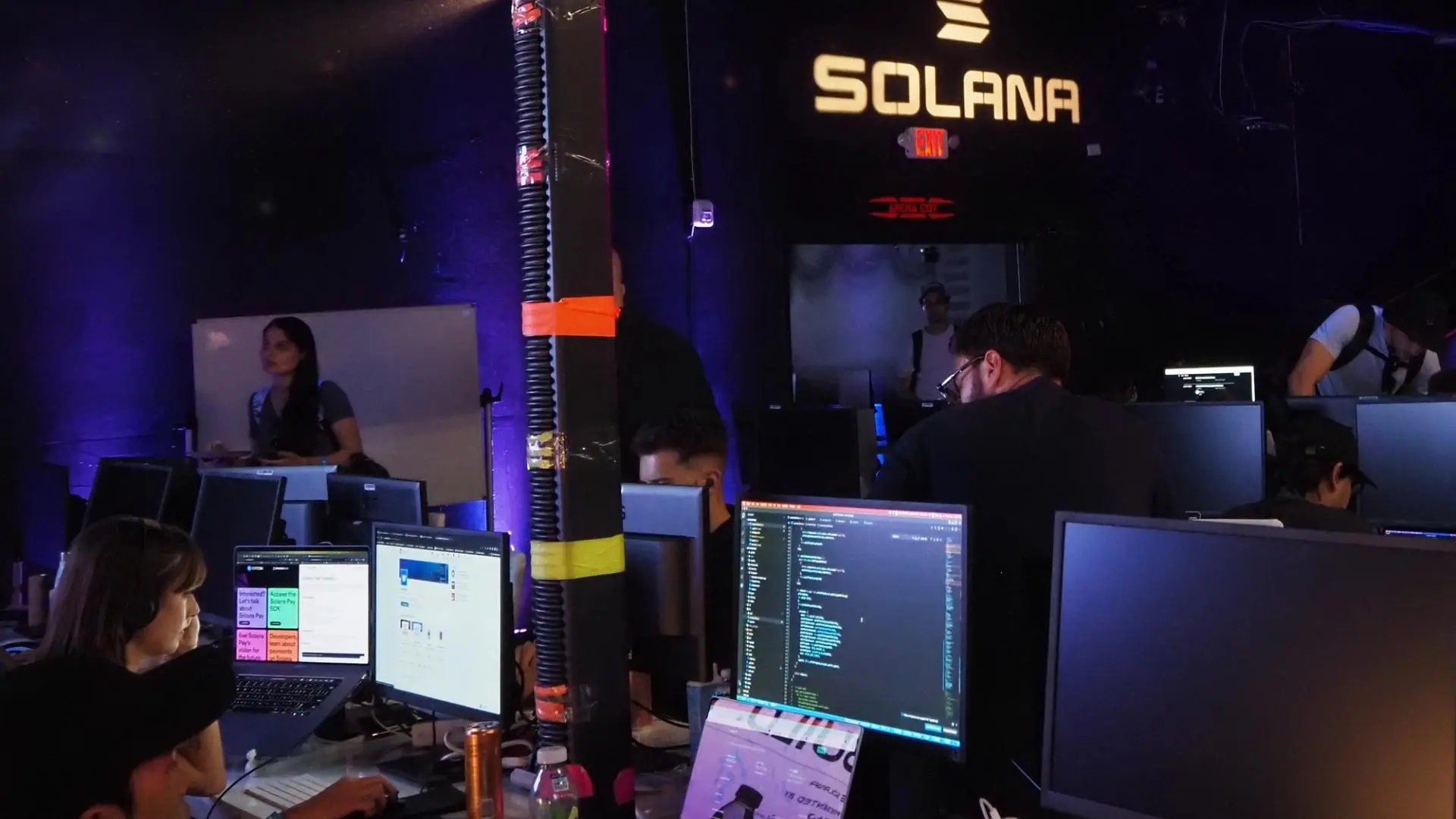
Solana's governance ecosystem is undergoing a pivotal moment as validators vote on a set of proposals that could reshape the network's economic model. With the vote scheduled to conclude Thursday, the three measures are being decided by the network's staked SOL holders, a mechanism that has become central to how Solana evolves. The proposals have attracted significant attention because two of them could materially reduce the supply growth of SOL, while the third aims to establish a formal constitution for the network.
The Three Proposals at a Glance
The first proposal targets Solana's inflation schedule. Solana's current model starts with an annual inflation rate of 8% and decreases by 15% each year until it reaches a long-term target of 1.5%. The proposal would accelerate this disinflationary path, reducing the rate at which new SOL is minted. If approved, the network could reach its long-term inflation target much sooner than originally planned, and potentially even lower than the 1.5% floor. This would slow the creation of new tokens, meaning that the circulating supply would grow at a more modest pace, which could have a bullish impact on the token's scarcity narrative.
The second proposal focuses on transaction fee burns. Currently, Solana burns a portion of priority fees—the extra fees users pay to have their transactions processed faster—but the base fee is largely distributed to validators as part of their compensation. The new proposal would increase the amount of SOL burned from each transaction, potentially raising daily burns from roughly 650 SOL to as much as 9,000 SOL. At current market prices, that would equate to approximately $800,000 worth of SOL being permanently removed from circulation every day. This mechanism is reminiscent of Ethereum's EIP-1559 burn, which has turned Ethereum into a deflationary asset during periods of high network usage. Solana's increased burn rate could similarly offset issuance and even make SOL net deflationary during peak activity.
The third proposal is more procedural but equally significant. It seeks to ratify a Solana Constitution, a formal document that codifies the network's governance principles, decision-making processes, and the role of staked token holders. While Solana has operated under an informal governance system based on Solana Improvement Documents (SIMDs) and validator votes, the Constitution would create a more authoritative framework. This would provide clarity for developers, validators, and token holders about how disputes are resolved and how future protocol changes are proposed and approved. It would also formalize the weighting of votes by staked SOL, which is already the de facto standard used in the current vote.
Understanding Solana's Inflation Model
Solana's inflation schedule has been a defining feature of its tokenomics since the network launched in 2020. The initial 8% annual inflation rate was designed to incentivize validators and stakers, ensuring that the network remained secure and that there was ample participation in consensus. Over time, the inflation rate declines by 15% each year, a feature intended to gradually reduce the dilution of existing SOL holders as the network matures and transaction fees become a more significant source of validator revenue.
The proposed acceleration of this decline would mark a significant shift in Solana's economic trajectory. Instead of following the slow, steady path to 1.5% inflation, the network could see inflation drop much faster, perhaps within a few years. This would reduce the supply of new SOL entering the market, potentially increasing demand for the existing supply. For long-term holders, this could be seen as a positive development, as it aligns with the broader crypto industry's trend toward deflationary or supply-constrained assets.
However, reducing inflation also has implications for staking rewards. Validators and stakers receive newly minted SOL as a reward for securing the network. If inflation declines faster, staking yields will likely decrease, which could make Solana less attractive to yield-seeking investors. This could lead to fewer tokens being staked, which might raise concerns about network security. Yet, the counterargument is that increased fee burns and a more scarce SOL could lead to a higher token price, offsetting the reduction in staking yields and maintaining the economic security of the network.
The Impact of Increased Fee Burns
The second proposal's potential to raise daily SOL burns from 650 to 9,000 is a dramatic change. To put this in perspective, 650 SOL per day equates to about 237,000 SOL per year, while 9,000 SOL per day would equate to over 3.2 million SOL annually. This could create a powerful deflationary pressure, especially when combined with the accelerated inflation decline from the first proposal.
The burning of transaction fees is a well-established concept in blockchain economics. Ethereum's EIP-1559, introduced in August 2021, burns a base fee from every transaction, which has periodically made ETH deflationary. Solana's current approach differs in that it only burns a portion of priority fees. The new proposal would expand the burn mechanism to include a larger share of the total fees, making SOL's tokenomics more aligned with Ethereum's.
The increase in fee burns could be particularly impactful during periods of high network activity. Solana has historically experienced bursts of congestion, especially during NFT minting manias and DeFi trading frenzies. During these times, transaction fees spike, and if a larger portion of those fees is burned, the amount of SOL removed from circulation could be substantial. This would not only reduce supply but also create a more direct correlation between network usage and token scarcity.
Some analysts have noted that the proposal could also affect validator incentives. If more fees are burned, validators will receive a smaller share of transaction fees, potentially making it less profitable to operate a validator. This could lead to centralization if only wealthy operators can afford to run validators at lower margins. However, the Solana ecosystem has historically prioritized high throughput and low fees, and the community may be willing to accept lower validator revenues in exchange for a more deflationary token.
Governance and the Constitution
The third proposal, the Solana Constitution, is a forward-looking measure that aims to solidify the network's governance framework. In the early days of Solana, decisions were made by the Solana Foundation and a small group of core developers. As the ecosystem has grown, the need for a transparent and inclusive governance process has become more apparent. The Constitution would establish rules for how SIMDs are created, how they are discussed, and how they are ultimately approved or rejected by validators.
It would also likely specify the voting thresholds required for different types of changes. For example, a simple majority might be sufficient for minor protocol upgrades, while more contentious changes might require a supermajority. By codifying these rules, the Constitution would reduce the potential for governance disputes and create a sense of legitimacy for decisions made on behalf of the network.
The fact that the Constitution proposal is being voted on simultaneously with two economically significant proposals is not coincidental. It demonstrates Solana's commitment to using its governance process to address important issues. The approval of all three proposals would signal that the Solana community is willing to make bold changes to ensure the network's long-term sustainability and competitiveness.
Market Implications and Community Reactions
News of the proposals has already generated buzz across crypto Twitter and investment circles. Some traders view the potential increase in SOL burns as a direct catalyst for price appreciation, given the reduced supply pressure. Others are more cautious, noting that the proposals could face resistance from validators who are reluctant to see their fee income reduced. The outcome of the vote will depend on the staked SOL weighted voting, meaning that large stake pools and institutional validators will have a disproportionate impact on the final decision.
The proposals also come at a time when Solana is seeking to position itself as the leading high-performance blockchain. The network has faced criticism in the past for occasional outages and centralization concerns, but it has also attracted a vibrant ecosystem of developers and users. A successful vote on all three measures could strengthen Solana's narrative as a network that is not only technically advanced but also economically innovative.
In the broader context of the cryptocurrency market, the proposals reflect a growing trend toward reducing token emissions and creating deflationary pressures. As investors become more sophisticated, they are paying closer attention to tokenomics and the long-term supply dynamics of digital assets. Solana's move to accelerate its inflation decline and increase fee burns is likely to be watched closely by other projects, as it could set a precedent for how blockchain networks balance security, staking rewards, and token scarcity.
The final outcome of the vote will be known by Thursday, but regardless of the result, the discussion surrounding these proposals has already provided valuable insights into the priorities of the Solana community. The willingness to consider aggressive changes to the economic model demonstrates a commitment to evolving with the needs of the ecosystem and its stakeholders.
Source: Coindesk News