

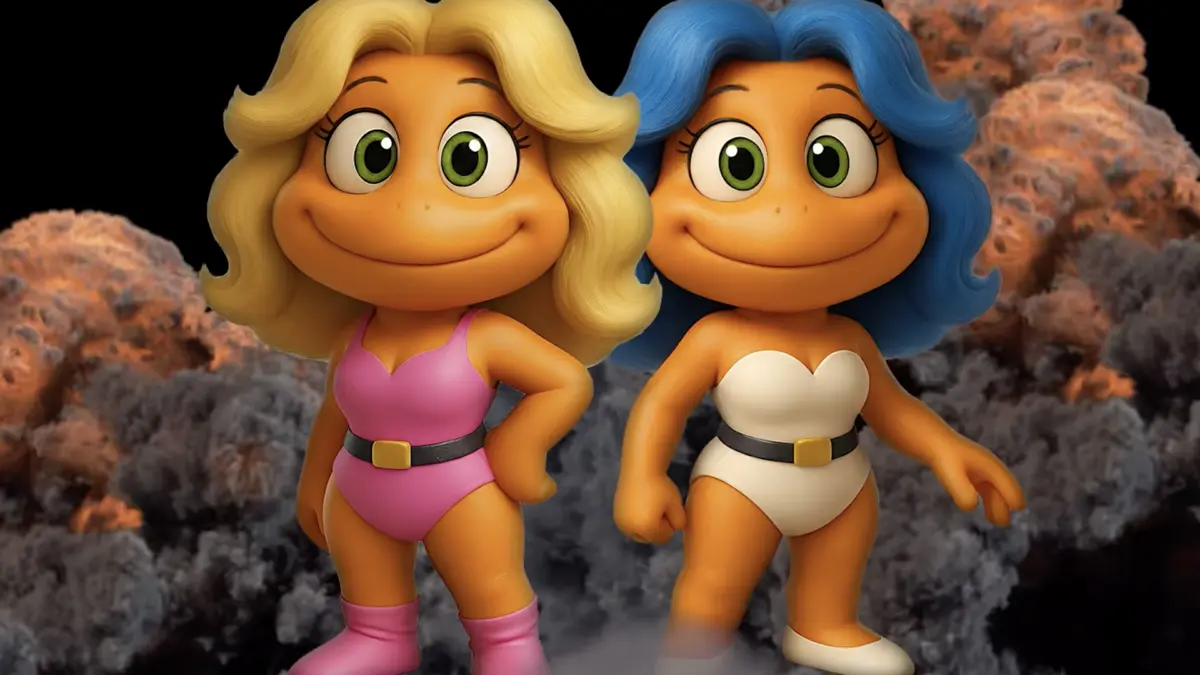
In the latest collision between nostalgia and generative AI, the creator of James Pond has lashed out at the team behind an upcoming collection of his classic games. Chris Sorrell, who designed the original James Pond series in the early 1990s, says he was "in no way consulted or involved" with the creation of James Pond Legacy: The Pond is Not Enough, and he has openly accused its publisher of using AI-generated artwork and trailer visuals. In an interview, Sorrell went further: "I hope they choke on an AI-generated fishbone."
Key facts at a glance
- Chris Sorrell created James Pond and does not own the rights to the franchise today.
- System 3 Software announced James Pond Legacy: The Pond is Not Enough for Nintendo Switch 2.
- The collection includes James Pond: Underwater Agent, Codename Robocod, Operation Starfish, and The Aquatic Games.
- A 90-second trailer triggered accusations of generative AI use because of the character artwork.
- System 3 denied using AI and pinned a clarification to the trailer.
- Sorrell says he was not consulted or involved, and he does not trust the explanation.
- He told the interviewer that he hopes they "choke on an AI-generated fishbone."
The collection, announced by veteran developer and publisher System 3 Software, brings together four games from the aquatic spy franchise. It is headed to Nintendo Switch 2, and System 3 released a 90-second trailer to promote the package. But almost immediately, viewers noticed something odd about the new character renders. The 3D versions of James Pond, Dr. Maybe, and other characters from the series looked smooth, slightly off-model, and generic in a way that has become familiar to anyone who spends time watching AI-generated video.
The backlash was swift. YouTube commenters accused System 3 of using a generative AI model to create both the trailer and the key art. The company responded by disabling comments on the trailer. It later pinned a clarification claiming "no generative AI was used in the James Pond Legacy trailer or character artwork," and linked to a blog post explaining the production process in detail. That explanation did little to quiet the criticism, and Sorrell's interview has poured fuel on the fire.
The creator's frustration
Sorrell's anger is not just about the AI allegations. It is also about authorship, consent, and the way a character he built from nothing has been passed around by companies for decades. "If you want me to believe for a second that the final cow image isn't AI, how about showing me a wireframe mesh inside a 3D package?" he said in response to System 3's blog. He added that he finds it painful to watch "soulless businessmen" exploit a brand they did not create, with zero respect for the people who made the original games.
He also pointed out that the new collection's artwork and trailer could have been a chance to hire artists, 3D modelers, and animators. Instead, he suggested, the publisher seems to have chosen a cheaper route. "They prefer to use garbage AI over paying developers for any new material," Sorrell said. The implication is clear: even if System 3's denial is true, the perception of AI has already poisoned the announcement.
This is not a new feeling for Sorrell. He has spent years watching the rights to James Pond move from one publisher to another, often without any benefit to the original creators. The character began life as a parody of James Bond, with a fishy pun: James Pond, the aquatic secret agent. The first game was developed by Vectordean Ltd, a studio co-founded by Sorrell, and published by Millennium Interactive. Later, System 3 acquired the rights through a series of corporate moves. By the time the 2020s came around, Sorrell had no say in how his creation was used.
The "legacy" collection was announced just a week before Sorrell's interview, and the trailer's reception has been overwhelmingly negative. On YouTube, the pinned clarification is now the only comment visible, but the damage had already been done. Fans of the original games expressed disappointment that a beloved franchise was being reduced to what many called "AI slop." Others argued that the trailer looked like a tech demo rather than a tribute to the source material.
A pattern of AI suspicion
The James Pond controversy fits into a wider pattern. A few days earlier, Amplitude Studios released a trailer for Humankind 2 that was also met with accusations of generative AI use. That trailer, like the James Pond one, prompted a long and messy online argument about whether the images had been made by machines or humans. The studio denied using AI, but the denials did not settle the debate. The fight over whether the Humankind 2 trailer is "slop" is its own kind of AI damage.
That damage comes from a simple problem: it is almost impossible to prove how an image or video was made. Even when a company says "no AI was used," creators are often skeptical because the visual style associated with generative AI is so distinctive. The smooth, glossy textures, the slightly naive rendering of hands and faces, the lack of physical logic in lighting and perspective—all of these have become visual cues. When a trailer looks like that, no amount of blog-post explanation can undo the first impression.
There is also a legal and ethical dimension. Generative AI models are often trained on a vast amount of copyrighted work, including video games, concept art, and animation. For many developers, using such tools to recreate a classic game's characters feels like a betrayal of the original artists. It also raises questions about whether the publisher has the right to create new images of those characters in the first place. The underlying copyright in James Pond may be owned by a company, but the artistic identity of the character was shaped by people who are not seeing a cent from the new collection.
Sorrell's interview makes this explicit. He says he was not consulted about the trailer or the artwork, and he does not believe he was paid for anything beyond the original games. In fact, he told the interviewer that he hopes System 3 "chokes" on the very fishbone that AI generated for the trailer—a crude pun perhaps, but one that speaks to his frustration at seeing his work turned into a marketing asset without his involvement.
What the collection contains
For those unfamiliar with the franchise, James Pond was one of the more successful platformer series on the Amiga, Sega Genesis, and Super Nintendo. In James Pond: Underwater Agent, players controlled a fish-like secret agent who had to foil the plans of Dr. Maybe, a villain who wanted to pollute the ocean. The game was notable for its large levels, gentle humor, and surprisingly deep mechanics. Its sequel, Codename Robocod, is often considered the best of the series, mixing robotic suits with a Christmas-themed world full of penguins and candy. The third game, Operation Starfish, introduced even more exotic environments and a more polished engine. The spin-off The Aquatic Games was a sports compilation with an aquatic twist.
These games are not obscure: they have been re-released multiple times across different platforms. But the new Switch 2 collection is presented as the definitive version, with improved controls, save states, and the original source code. That is why the AI controversy stings so much. Fans were happy to see the games return, but the promotional material undermined any goodwill.
System 3 Software's blog post, written in response to the criticism, describes the process of creating 3D models based on original sprite art. It says the team used standard 3D software, hand-rigged the characters, and applied textures from the original games. The blog also includes concept images and screenshots from an early build. Yet Sorrell remains unconvinced. His demand for a wireframe mesh is a direct challenge to the publisher: show us the proof, not just the promise.
The video remains live, but the comment section is locked. System 3 has not released any additional footage or behind-the-scenes material. At the time of writing, the publication date for James Pond Legacy: The Pond is Not Enough has not been confirmed beyond a vague "2026" window.
Why the reaction matters
The James Pond story is not just a curious piece of gaming news. It is a case study in how the promise of "legacy" and "celebration" can go wrong when the people associated with that legacy are not part of the conversation. Sorrell's complaint is not only about AI; it is about the power imbalance in the games industry, where publishers hold rights and creators are left to watch from the sidelines.
In the end, the only certain thing is that suspicion will persist. No one outside System 3 will ever know exactly how the trailer was made. Sorrell has made his judgment, and many fans are inclined to agree with him. The launch of the collection, which should have been a lighthearted celebration of a silly aquatic spy spoof, has instead turned into another battle in the culture war over generative AI.
What a waste. There was a time when a new James Pond collection would have made people smile. Now, it just makes people angry.
Source: Gizmodo News