
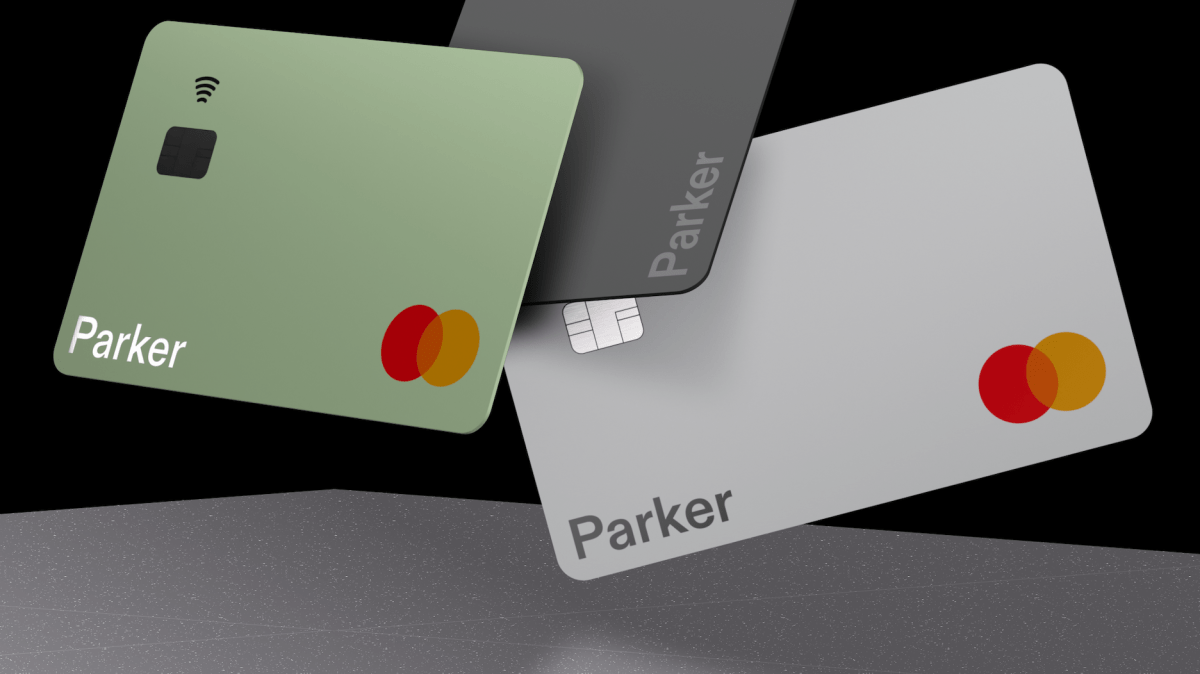
Parker, a once-promising fintech startup that aimed to revolutionize corporate credit and banking for e-commerce companies, has filed for Chapter 7 bankruptcy and is widely reported to have shut down. The company's filing on May 7, 2026, marks a dramatic fall for a startup that had raised more than $200 million in total funding, including a $125 million lending arrangement. The bankruptcy filing indicates that Parker has between $50 million and $100 million in assets, with liabilities in a similar range, and counts between 100 and 199 creditors.
Founded as part of Y Combinator's winter 2019 cohort, Parker emerged from stealth in 2023 with a bold pitch: a corporate credit card specifically designed for e-commerce businesses. At the time, co-founder and CEO Yacine Sibous emphasized the startup's underwriting process as its "secret sauce," claiming it could properly assess e-commerce cash flows better than traditional banks. "We imagined building better financial products for e-commerce founders with the mission of increasing the number of financially independent people," Sibous told TechCrunch during the launch.
Despite the ambitious vision, Parker's trajectory took a sharp downturn. The company's website still displays a banner boasting of the $200 million funding milestone, with no mention of the bankruptcy or shutdown. However, multiple social media posts from customers and competitors confirm that Parker's credit card partner, Patriot Bank, sent a message to customers earlier this week confirming the shutdown. Competitors quickly pounced on the news, posting offers to lure former Parker customers to their own platforms.
Background and Rise
Parker's story is emblematic of the broader fintech boom and bust cycle that has characterized the startup ecosystem in recent years. The company was founded in 2019, just as e-commerce was surging globally. The COVID-19 pandemic accelerated online shopping, creating a massive demand for financial tools tailored to digital merchants. Traditional banks often struggled to underwrite e-commerce businesses due to their volatile revenue streams, frequent chargebacks, and reliance on platforms like Shopify or Amazon. Parker sought to fill this gap by using data from sales platforms, payment processors, and accounting software to offer credit lines and banking services that adapted to the fast-paced nature of online retail.
Parker's Series A round was led by Valar Ventures, a venture capital firm founded by Peter Thiel and known for investing in fintech companies. The startup also secured a $125 million lending facility, likely from institutional investors or specialty finance firms, to back its credit card products. Over the years, Parker claims to have reached $65 million in revenue, a figure that Sibous repeated in a recent LinkedIn post amidst the chaos. Yet, the path to profitability proved elusive. The fintech sector has faced headwinds from rising interest rates, tightening capital markets, and increased regulatory scrutiny. Many startups that relied on venture debt or lending facilities found themselves squeezed as terms became less favorable.
The Bankruptcy Filing
The Chapter 7 bankruptcy filing, dated May 7, 2026, signals that Parker intends to liquidate its assets rather than reorganize. Chapter 7 contrasts with Chapter 11, where companies attempt to restructure and continue operations. The decision to file for Chapter 7 often indicates that the business is beyond saving, with no viable path to solvency. The filing reveals that Parker has between 100 and 199 creditors, which likely include software vendors, service providers, landlords, and possibly consumer creditors (i.e., customers whose funds were held in Parker's accounts).
The bankruptcy petition also lists assets and liabilities in the $50–100 million range, suggesting the company was not insolvent in the traditional sense but could not meet its debt obligations. The large number of creditors points to a complex web of financial relationships typical of fintech companies that operate as intermediaries between banks and customers. Parker's banking partners, including Patriot Bank and potentially Piermont Bank, now face questions about their oversight of the program. Fintech consultant Jason Mikula recently claimed that Parker had been in negotiations for a potential acquisition, and the failure of those talks led to the abrupt shutdown. Mikula noted that this "has left small business customers in a tough spot" and raised "questions about [banking partner] Piermont's and Patriot's oversight of the program."
Impact on Customers
For the e-commerce businesses that relied on Parker's credit cards and banking services, the shutdown has been disruptive. Many small merchants use such fintech tools for day-to-day cash management, supplier payments, and inventory purchases. With the card program terminated, customers may face delayed refunds, frozen accounts, and difficulty accessing their transaction history. Social media posts indicate that customers were caught off guard, receiving only a brief message from Patriot Bank confirming the end of the partnership. The abruptness of the closure leaves little time for business owners to find alternative financial service providers, potentially causing cash flow crunches and operational hiccups.
Regulatory implications may also arise. Fintech startups that rely on bank partnerships often operate under the bank's regulatory umbrella, but when the startup collapses, questions emerge about who is responsible for customer deposits, credit balances, and compliance with banking laws. The Consumer Financial Protection Bureau (CFPB) and state regulators may investigate whether Parker's practices, such as the underwriting claims and the handling of customer funds, were transparent and compliant. Previous cases like Synapse, a B2B fintech that also went bankrupt, have shown how such failures can have cascading effects on end users and anemic regulatory protections.
CEO's Unsettling Silence and Mixed Messages
Yacine Sibous, Parker's co-founder and CEO, has not explicitly acknowledged the shutdown or bankruptcy on his LinkedIn profile. In a recent post, he repeated the $200 million funding figure and the $65 million revenue number, but he also offered a reflective tone. "If I started over, I'd do some things differently: avoid over-hiring, reactive decisions, and doomsayers," he wrote. The comment suggests internal turmoil and perhaps a blame-shifting narrative that downplays the severity of the situation. Sibous's failure to directly address the bankruptcy or the plight of customers has drawn criticism from affected merchants and industry observers. The lack of transparency undermines trust in the startup ecosystem and highlights the disconnect between founder narratives and ground reality.
The mention of "doomsayers" may refer to critics or employees who warned of impending trouble. Over-hiring is a common mistake among well-funded startups that grow quickly during boom times but cannot sustain the payroll when revenue falters. Parker reportedly scaled rapidly after its 2023 launch, building a team of dozens before hitting the brakes. Financial pressures likely mounted as the cost of customer acquisition, technology infrastructure, and compliance ate into the $65 million in revenue, leaving little margin for error. Bankruptcy filings often reveal high operational costs and low margins.
Broader Context: Fintech Winter and Lending Risks
Parker's collapse is not an isolated event. The fintech sector has experienced a wave of shutdowns and distress over the past two years, driven by a combination of macroeconomic headwinds and flawed business models. After a record year of venture capital funding in 2021, fintech valuations have plummeted as interest rates rose and investors demanded profitability over growth. Startups that relied on cheap debt to fuel lending programs have been hit hardest. Parker's $125 million lending facility was likely arranged when rates were low, and as the terms reset, the cost of capital became prohibitive. The underwriting model, while innovative, may not have accounted for downturns in e-commerce sales, particularly as consumer spending shifted back to services after the pandemic.
Y Combinator, which backed Parker in 2019, has seen several portfolio companies struggle in the current environment. The accelerator has advised founders to focus on revenue and conserve cash, but for lending-driven businesses, the path to sustainability is narrow. Valar Ventures, Parker's lead Series A investor, has a portfolio of fintech bets, some of which have also faced challenges. The widespread failure of startup lenders raises questions about whether the venture capital model is suited for capital-intensive financial services businesses. Unlike software companies with high margins and low variable costs, lending startups require constant access to cheap funding and effective risk management. When the macro environment shifts, they can quickly become insolvent.
Another layer of complexity involves the partnerships with banks. Patriot Bank and Piermont Bank effectively served as the issuing banks for Parker's credit cards and custodians for deposits. Under the partnership model, the banks typically assume responsibility for compliance with regulations like the Bank Secrecy Act and anti-money laundering rules. However, the day-to-day operations, customer service, and credit decisions were handled by Parker. When the startup fails, the banks are left to clean up the mess and may face reputational damage. Regulators may also scrutinize the due diligence performed before entering such partnerships, especially if customer harm is widespread. In the case of Synapse, the failure left many small businesses without access to funds for weeks, leading to a class-action lawsuit and regulatory probes. Parker's situation could follow a similar pattern.
E-commerce-specific lending had become a crowded space, with players such as Shopify Capital, Kabbage, and newer entrants like Pipe tending to similar needs. Parker differentiated itself through its data-driven underwriting and a sleek mobile-first experience. Yet, the competitive landscape made it difficult to achieve sustainable unit economics. Customer acquisition costs were high, credit losses could spike during economic slowdowns, and merchant retention was low as businesses often switched between providers. The company's value proposition centered on being the "smartest" underwriter, but that advantage may have eroded as competitors also improved their analytics.
The bankruptcy also highlights the vulnerability of small business customers who have limited recourse when a fintech partner fails. Unlike consumer bank accounts, which are insured by the FDIC up to $250,000, funds held in fintech platforms through bank partnerships often have only pass-through FDIC insurance, and the process for claiming those funds can be messy. Credit card accounts with outstanding balances might be transferred to the issuing bank, but reward points and other benefits may be lost. Parker's customers now face uncertainty about their financial data, automatic payments, and future credit history reporting. The experience will likely make more merchants wary of relying on young fintech startups for mission-critical banking services, potentially pushing them back to traditional banks or more established players like Stripe and Square.
As the fintech industry matures, the Parker case will serve as a cautionary tale about the risks of hypergrowth, the importance of conservative financial management, and the need for robust regulatory oversight. The post-mortem will also examine the roles of investors, banking partners, and the founders themselves in the startup's demise. Already, industry observers are calling for clearer rules around fintech-bank partnerships and greater transparency for customers. In the meantime, the 100 to 199 creditors of Parker will have to navigate the bankruptcy process, hoping to recover at least some of what they are owed.
Source: TechCrunch News