

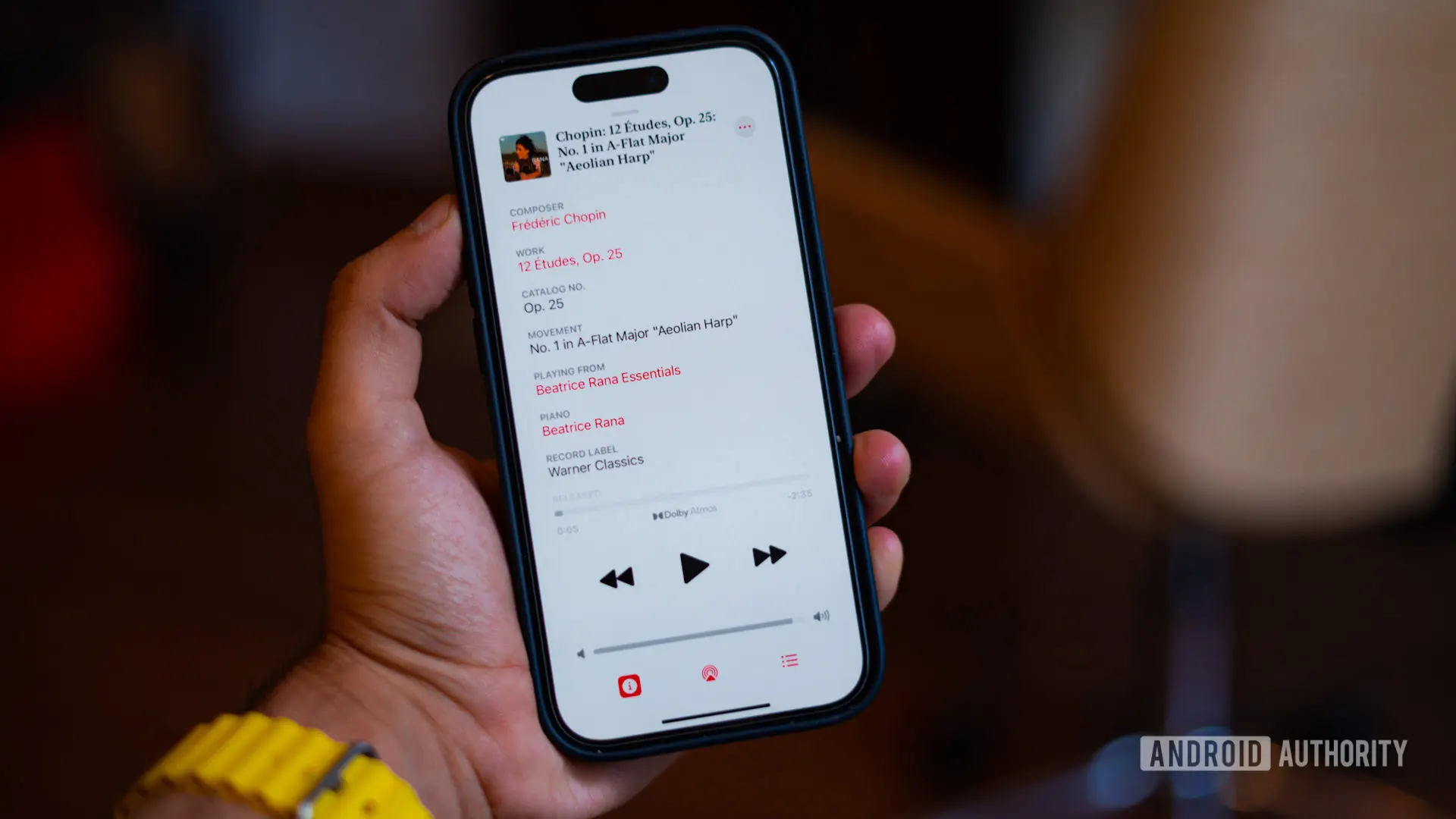
Streaming services have become a routine monthly expense for millions, and Apple Music is the latest to adjust its pricing upward. As reported by various sources, Apple Music quietly raised its subscription fees for Individual, Family, and Student plans, marking the first price increase since October 2022. The changes now reflect $11.99 per month for a single user (Individual), $19.99 for the Family plan (up to six people), and $6.99 for the Student plan.
The price adjustments were spotted on Apple's official website, though the company has not issued a formal announcement. This stealth approach is not uncommon for tech giants; both Google and Spotify have historically raised prices without major press releases. However, the increases are significant because they come after nearly four years of stable pricing for Apple Music.
To put this in perspective, the Individual plan was $9.99 from the service's launch in 2015 until October 2022, when it jumped to $10.99. Now, that same plan is $11.99—a $2 increase from the original launch price. The Family plan has seen an even steeper rise: from $14.99 in 2015 to $16.99 in 2022, and now to $19.99. That's a total increase of $5 over the same period. The Student plan, which was previously $4.99, went to $5.99 in 2022 and now sits at $6.99.
Comparing Apple Music’s new pricing to competitors
Apple Music’s new prices still generally undercut Spotify, which charges $12.99 for an Individual plan and $21.99 for a Family plan (both as of mid-2026). YouTube Music, another major player, offers an Individual plan at $11.99 (identical to Apple) and a Family plan at $18.99—$1 less than Apple Music. On the Student front, all three services are now matched at $6.99 per month for eligible students.
This pricing landscape reflects a broader trend in the streaming industry: nearly every major platform has raised its rates over the past two years. Netflix, Disney+, Hulu, and Paramount+ have all increased subscription costs, citing inflation, rising content costs, and investment in new features. Music streaming services face similar pressures, including licensing fees paid to record labels and artists, as well as the need to fund product improvements like lossless audio, spatial audio, and curated playlists.
Interestingly, Apple Music’s price hike comes on the heels of rumors that the service may introduce an ad-supported free tier. Such a move would be a major shift for Apple, which has historically avoided free, ad-funded versions of its services (aside from Apple TV+ free trials). A free tier could help Apple compete with Spotify’s ad-supported level and attract users in emerging markets where subscription costs are a barrier.
Historical context and customer reactions
Apple Music launched in June 2015 with a standard $9.99 individual price, undercutting Spotify’s $9.99 at the time (Spotify later rose to $10.99 in 2023, then to $12.99). The service quickly grew to over 100 million subscribers by 2023, but growth has slowed as the market matures. Price increases are often a way to boost revenue per user without needing to gain new subscribers.
Customer reactions on social media have been mixed. Some users expressed frustration, noting that streaming prices are “creeping up” and that they might consider canceling if prices continue to rise. Others pointed out that $11.99 is still cheaper than a single CD or digital album—especially considering Apple Music offers a library of over 100 million songs, lossless audio, and live radio. The question of value is subjective, but for heavy listeners, the cost remains modest compared to the amount of music consumed.
It’s also worth noting that many subscribers still haven't seen the new price reflected in their accounts. As is typical with such changes, existing subscribers are often grandfathered into the old rate for one billing cycle. For example, a user currently on the Individual plan at $10.99 may not see the $11.99 charge until their next renewal date. Those on annual plans might have even longer to absorb the increase.
Broader impact on the streaming industry
Apple Music’s decision to raise prices may signal a broader plateau in streaming growth. With the major markets largely saturated, companies are shifting focus from acquiring new users to maximizing revenue from existing ones. This trend is evident across entertainment: Netflix’s crackdown on password sharing, Spotify’s entry into audiobooks, and Apple Music’s push for exclusive content and high-end audio features are all part of the same strategy.
For consumers, the cumulative effect of multiple streaming price hikes means that average monthly spending could easily surpass $50 per household for a typical bundle of music, video, and other services. Budget-conscious users may increasingly rely on free ad-supported tiers, shared family plans, or rotation of subscriptions. Apple Music’s rumored free tier could capture those who are unwilling to pay but willing to tolerate ads—though Apple has yet to confirm this.
Another factor is the competitive landscape. Spotify remains the market leader by subscriber count, but Apple Music has the advantage of deep integration with Apple’s ecosystem (iOS, macOS, HomePod, Apple Watch, CarPlay). The price increase may not significantly dent subscriber numbers for Apple, as many users are locked in by device preference and convenience. However, it could slow growth among price-sensitive Android users, who represent a smaller portion of Apple Music’s base.
In terms of artist compensation, price hikes may eventually lead to higher royalty payments. But the relationship is not direct; streaming services pay royalties based on total revenue and usage, not per-subscriber price. Still, higher subscription fees mean a larger revenue pool, which could support better payouts. The Recording Industry Association of America (RIAA) has noted that streaming revenue continues to grow, even as the per-stream rate remains low for individual artists.
Finally, it’s worth considering the psychological impact of a $1 or $3 increase. While small on its own, repeated annual rises create a sense of inflation fatigue. Users may begin to set a personal “cap” on what they are willing to spend—especially when multiple services raise prices in the same year. Apple Music’s leadership will be watching user retention closely in the coming months to gauge if the new pricing holds or if discounts or promotions become necessary.
As of this writing, Apple Music’s website has updated its pricing page, and new subscribers will pay the higher rates immediately. Existing subscribers will see changes on their next billing date. With the service now costing up to $19.99 per month for families, it remains competitive but no longer undercuts the market as it once did. The era of $10 music streaming may be officially over, replaced by a new normal where $12 to $13 is the baseline for a premium music service.
For now, Apple Music subscribers have two choices: accept the new pricing or consider alternatives like YouTube Music, Amazon Music Unlimited (which recently raised its Individual plan to $10.99 but offers a Prime discount), or Spotify’s ad-supported tier. The coming months may also bring news of an Apple Music free tier, which could further reshape the streaming audio landscape.
Source: Android Authority News