

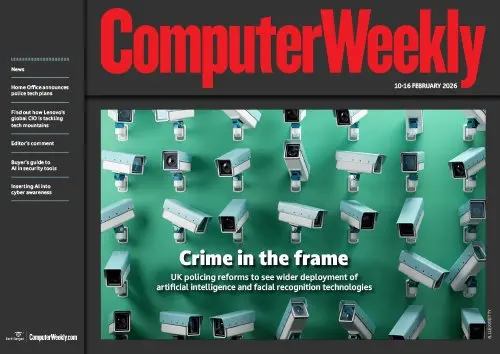
The 10 February 2026 edition of Computer Weekly, a leading technology publication, brings together a trio of significant articles that explore the intersection of public sector reform, corporate IT strategy, and the evolving landscape of artificial intelligence in cybersecurity. This issue is particularly notable for its deep dive into the Home Office's sweeping plans for police technology, an exclusive interview with Lenovo's global CIO, and a critical examination of how security buyers should approach AI tools.
Home Office police technology reforms
At the forefront of this issue is an analysis of the United Kingdom's Home Office, which has unveiled an extensive reform programme aimed at modernizing policing through technology. The plans include a significant expansion in the use of artificial intelligence and facial-recognition technologies. According to reporting by Sebastian Klovig Skelton, the Home Office intends to integrate these tools into daily police work, from real-time surveillance to evidence analysis. The reforms are part of a larger strategy to improve efficiency and public safety, but they also raise questions about civil liberties and data protection. Critics argue that facial recognition, in particular, has been shown to have higher error rates for people of color and could lead to increased surveillance of minority communities. Supporters, however, point to successful trials in locations like London and South Wales, where the technology has helped identify suspects and missing persons. The Home Office has pledged to introduce strict oversight and algorithmic transparency measures, though details remain scarce. This feature provides essential context for anyone tracking the adoption of AI in public services.
Lenovo's global CIO on growth and services
In a wide-ranging interview, Mark Samuels speaks with Art Hu, the global chief information officer of Lenovo, one of the world's largest PC, server, and storage manufacturers. Hu outlines his strategy for leveraging internal IT experience to drive the company's expanding services business. He explains that Lenovo is moving beyond hardware sales to offer managed services, cloud solutions, and AI consulting. Hu emphasizes that the transition requires a cultural shift within the organization, with IT acting as both an internal enabler and a showcase for customer offerings. He highlights areas such as edge computing, where Lenovo's hardware expertise meets real-time data processing needs, and the importance of building partnerships with software vendors. The interview offers practical lessons for CIOs in large enterprises who are tasked with transforming their companies' business models while maintaining operational stability.
Security Think Tank: Buying AI outcomes, not hype
Rounding out the main features, the Security Think Tank column by Rik Ferguson tackles a pressing issue for CISOs and security buyers: how to cut through the noise around artificial intelligence. Ferguson argues that many vendors are rushing to label products as 'AI-powered' without clear evidence of tangible security improvements. He advises organizations to focus on outcomes rather than technology labels, asking suppliers to demonstrate how their AI solutions reduce risk, improve detection rates, or accelerate response times. The column also discusses common AI use cases such as anomaly detection, automated threat hunting, and phishing analysis, warning that not all are equally mature. Ferguson urges buyers to run controlled pilots, require transparent metrics, and ensure that human oversight remains central to security operations. This piece serves as a practical guide for procurement in an era of inflated claims.
Additional content in this issue
The ezine also includes a selection of previously published premium content, available to CW+ members. Among the highlights are features on who should get the technology vote in the UK general election, a case study on how RBS transformed from IT disaster to digital innovation, analysis of the world's largest cloud contract, and a look at wearable technology's impact on frontline workers. These articles provide broader context on issues ranging from digital government to enterprise resilience.
Related industry insights
Beyond the core features, the issue curates articles from a variety of TechTarget sister publications, covering key technology domains. In SearchCIO, three pieces explore the human-AI collaboration imperative, the concept that the antidote to 'evil AI' is more AI, and the cybersecurity paradox facing CIOs. SearchSecurity offers deep dives into business email compromise attacks, the risks and benefits of platformization versus best-of-breed security tools, and key takeaways from the 2026 Verizon Data Breach Investigations Report. SearchNetworking examines how AI innovation is driving churn in network observability tools, provides ten insights on AI adoption in network operations, and stresses the ongoing need for human judgment in network management. SearchDataCenter covers energy management strategies in AI data centers, the role of microgrids in data center energy resilience, and Dell's latest rack-scale infrastructure refresh for the AI Factory. Finally, SearchDataManagement discusses why AI forces a security-first governance approach, how data observability for AI helps curb poor model performance, and ten big data challenges that organizations must address.
Together, these pieces create a comprehensive picture of the current state of technology across multiple sectors, with AI as a common thread tying public policy, corporate strategy, and security operations together. The issue is a must-read for IT leaders looking to understand both the opportunities and the risks of advanced technologies in 2026.
Source: Computerweekly News