
The US Treasury has published a draft rule that would significantly widen restrictions on American investment in sensitive technologies, extending the existing Outbound Investment Security Program to more sectors, more countries and tougher notification and prohibition requirements. The proposal targets China, Russia, North Korea and other countries of concern, and it would reach deals involving chips, artificial intelligence and other advanced technologies that Washington considers central to national security.
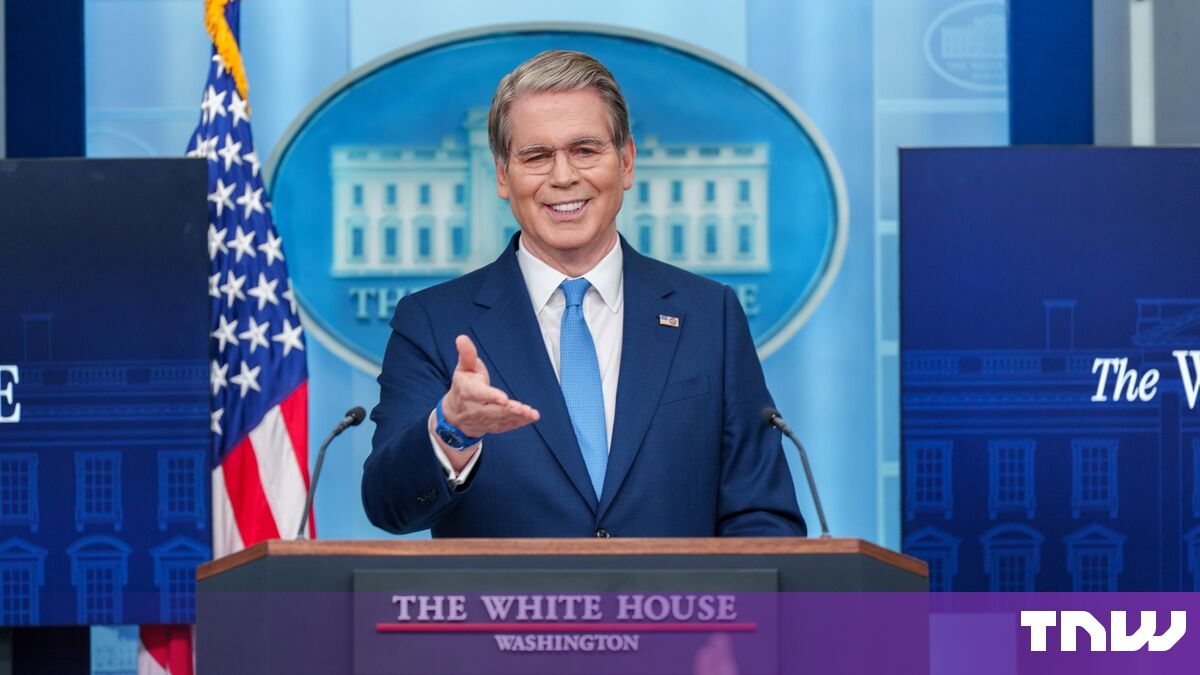
Speaking at a White House press briefing in Washington on 28 May 2026, Treasury Secretary Scott Bessent said the proposed regulations would strengthen the existing program. "The proposed regulations would strengthen the existing Outbound Investment Security Program to prevent our adversaries from using U.S. investment to develop critical technologies that threaten U.S. national security," Bessent said. The Treasury published the proposal on Thursday, and the Federal Register is set to publish the draft on 26 October.
Key facts at a glance
- The draft expands the Outbound Investment Security Program and targets China, including Hong Kong and Macau, as well as Cuba, Iran, North Korea, Russia and Venezuela under Nicolás Maduro.
- Treasury's fact sheet says Venezuela does not meet the draft's definition of a country of concern today, leaving a caveat that could be tested as the rule is finalized.
- The draft implements the COINS Act, which Congress passed in its 2026 defense bill.
- The law names five sectors: chips, AI, quantum technology, supercomputing and hypersonic systems. Treasury used its authority under the act to add biotechnology.
- US investors would have to notify Treasury about some deals, while other transactions would be banned outright.
- The draft replaces the term "AI systems" with "super intelligence systems," citing President Trump's 29 September executive order.
- Treasury would widen its ban on investing in these systems, and investors would lose the current option to simply report such deals.
- Violations could bring civil penalties up to the maximum under the International Emergency Economic Powers Act, and Treasury could force investors to sell.
- The comment period runs until 7 December, with final rules to follow and set the start date.
Those points matter because the proposal is not just a technical update to an existing screening regime. It would change how US capital can flow into some of the most closely watched areas of the global technology economy, and it would place new compliance duties on investors, fund managers and companies that participate in cross-border deals.
From the 2023 program to the 2026 draft
The outbound investment program began in 2023. That year, then-President Joe Biden signed an order that limited some US investment in Chinese chips, quantum computing and AI. The initial effort was part of a broader shift in Washington toward using investment controls alongside export controls, tariffs and other tools to slow the transfer of sensitive technology to strategic rivals. The early program focused on a narrower set of transactions and created a framework for Treasury to review certain investments.
The new draft goes further by carrying out the COINS Act, which Congress passed in its 2026 defense bill. The law gives Treasury a more detailed mandate and names five sectors: chips, AI, quantum technology, supercomputing and hypersonic systems. Treasury then used its power under the act to add biotechnology, expanding the rule's reach beyond the five sectors named in the statute. The list of countries also grows. Beside China, including Hong Kong and Macau, it now names Cuba, Iran, North Korea and Russia, according to Treasury's fact sheet. It also names Venezuela under Nicolás Maduro. But the same document says Venezuela does not meet the draft's definition today.
That caveat is significant because it shows how the rule's scope may depend on definitions and future determinations. A country can appear in a political list yet fall outside the legal definition in the draft. For investors, the difference between a named country and a covered country can determine whether a transaction requires notification, is prohibited or falls outside the rule entirely. The draft's country list is therefore likely to draw comments from law firms, trade groups and investors seeking clarity on Venezuela and other jurisdictions.
What the rule covers
The draft's sectoral coverage is broad. Chips and microelectronics have been a central focus of US technology policy because advanced semiconductors underpin AI, defense systems and high-performance computing. AI is another core category, especially as large models and specialized hardware become more capable. Quantum technology and supercomputing are also covered because they can support advanced encryption, simulation and scientific research with national security implications. Hypersonic systems add a defense and aerospace dimension, while biotechnology brings the rule into areas such as drug discovery, synthetic biology and other life-science tools.
For each covered sector, the draft would create a dual system. Some deals would require US investors to tell Treasury about the transaction. Other deals would be banned. That structure is designed to give the government visibility into capital flows while blocking transactions that officials believe could help adversaries develop critical technologies. The proposal would affect not only direct corporate investments but also investments made through funds, joint ventures and other structures that give US persons exposure to covered activities.
The rule's focus on "US investors" and covered transactions means compliance will not be limited to large semiconductor companies. Venture capital firms, private equity funds, family offices, corporate venture arms and asset managers may all need to assess whether a deal falls within the draft's scope. That could lengthen deal timelines, increase due diligence costs and push some investors to seek legal opinions before signing. Limited partners may also ask fund managers how they plan to screen portfolio companies and what happens if a transaction is later deemed prohibited.
Super intelligence systems and enforcement
The draft swaps the term "AI systems" for "super intelligence systems." Treasury cites President Trump's 29 September executive order, which renamed AI as super intelligence. The change is more than semantic. Treasury would widen its ban on investing in these systems, according to the fact sheet, and investors would lose the current option to simply report such deals. In practice, that shift could turn some transactions that might have been disclosed into prohibited investments, raising the stakes for investors working on advanced AI models, compute infrastructure and related applications.
Enforcement would also carry serious consequences. Breaking the rules could bring civil penalties up to the maximum under the International Emergency Economic Powers Act. Treasury could also force investors to sell. The possibility of forced divestment is particularly important for private funds and strategic investors because it can affect returns, fund liquidity and contractual protections. A transaction that closes before a final rule takes effect could still face scrutiny if it falls within the program's scope once the rule is in force.
"The proposed regulations are designed to address risks that can arise when foreign adversaries try to benefit from U.S. investment in key technology sectors," said Christopher Pilkerton, Treasury's assistant secretary for investment security. The statement frames the rule as a risk-management tool rather than a blanket ban on foreign investment. Yet the draft's combination of notification duties, prohibitions, penalties and divestment authority gives Treasury a powerful set of tools to shape private capital flows.
Timeline and geopolitical timing
The Federal Register will publish the draft on 26 October. Written comments are due by 7 December. Final rules will follow and set the start date. That timeline gives investors, companies and trade groups a window to seek changes to definitions, sector boundaries, country scope and compliance procedures. It also means the draft could change before it takes effect, so early interpretations should be treated as provisional.
The move comes six days after China proposed its own controls on exporting advanced AI models and chip designs. Last week, Pentagon technology chief Emil Michael said that export controls could curb AI labs. The two developments point to a widening policy competition over advanced technology, with Washington tightening outbound capital flows while Beijing considers new restrictions on outbound technology. For investors, the challenge is to track both processes at once: the US draft rule, with its comment period and final rulemaking, and China's proposed export controls, which could affect the same AI and chip sectors from the other direction.
The final rules will follow and set the start date, while Treasury's definitions of covered transactions, covered sectors and countries of concern will determine how far the program reaches. Investors and technology companies are now watching how the comment process shapes those definitions and how China's proposed export controls develop in parallel.
Source: TNW | Government-policy News